
In today’s rapidly evolving business landscape, trust has emerged as one of the most powerful competitive advantages a company can possess. Trust is no longer merely a desirable attribute; it has become a crucial determinant of consumer choice, employee loyalty, and investor confidence. When organizations are trusted, they not only strengthen their relationships but also unlock long-term value that rivals struggle to replicate. Unlike technological innovations or marketing campaigns, which competitors can often imitate, trust is inherently unique and deeply personal. It develops over time, through consistent actions, transparency, and ethical behavior, creating a barrier to entry that is difficult to overcome.
The importance of trust begins with the customer. In an era dominated by digital interactions, consumers have access to endless options and information. Reviews, ratings, and social media amplify the voice of every customer experience, positive or negative. Companies that consistently deliver on their promises build a reputation that precedes them. Customers return not only because of product quality but because they believe in the integrity and reliability of the brand. A trusted company creates emotional security for its customers; they know what to expect, and they feel valued. This sense of security fosters loyalty, which is far more resistant to price fluctuations or competing offers than purely transactional relationships.
Trust also plays a significant role in shaping brand perception. Brands that are transparent about their operations, supply chains, and business practices earn respect and admiration. In contrast, companies that obscure information or engage in deceptive practices risk rapid reputational damage. Transparency signals to stakeholders that a company is accountable and willing to be scrutinized, which reinforces trust. Moreover, trust affects how consumers interpret information. Positive communications from trusted organizations are more persuasive, while messages from less-trusted sources often face skepticism or outright dismissal. In this way, trust acts as a filter, enhancing the impact of marketing efforts and reducing the resources needed to convince the public of a brand’s value.
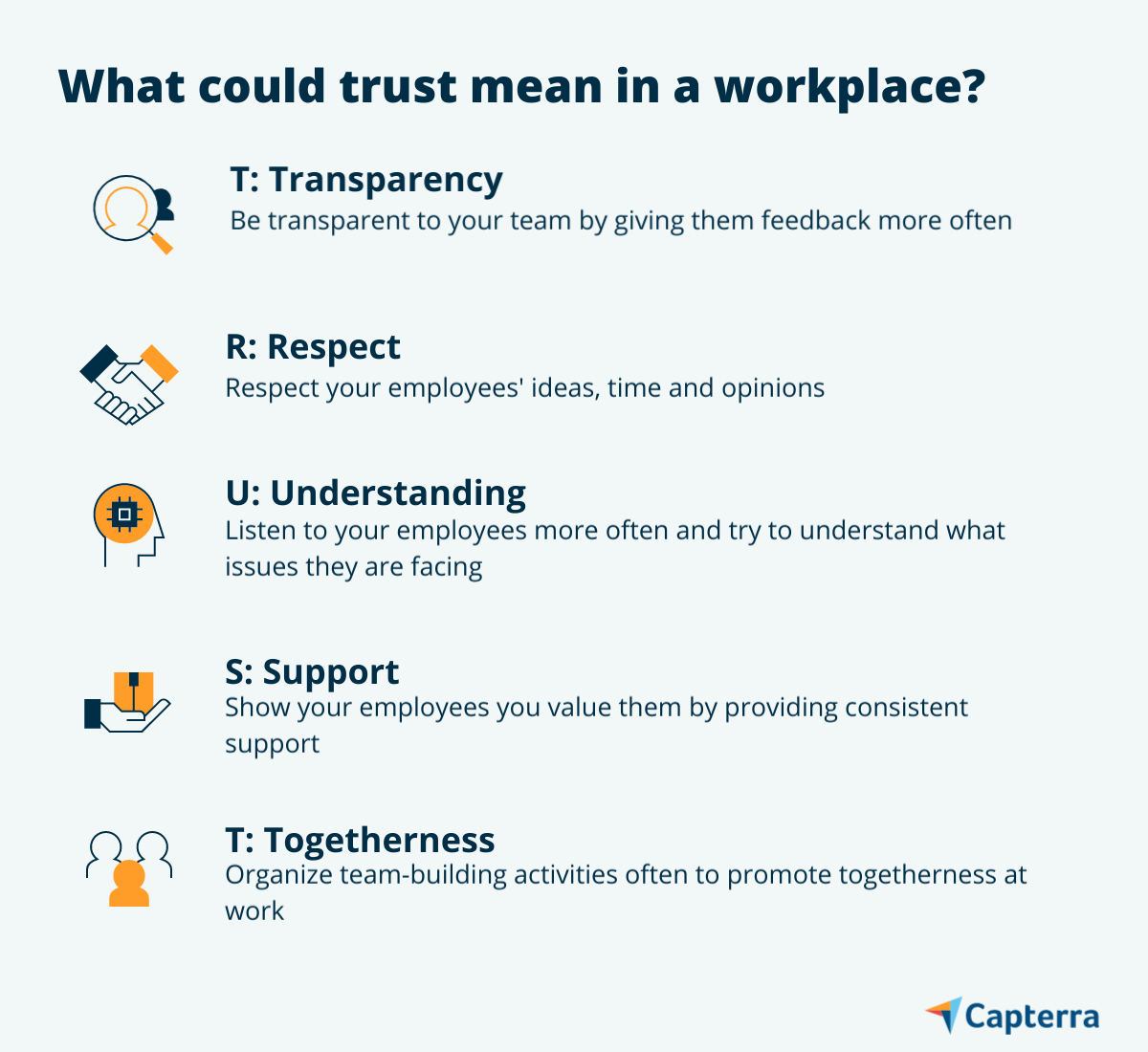
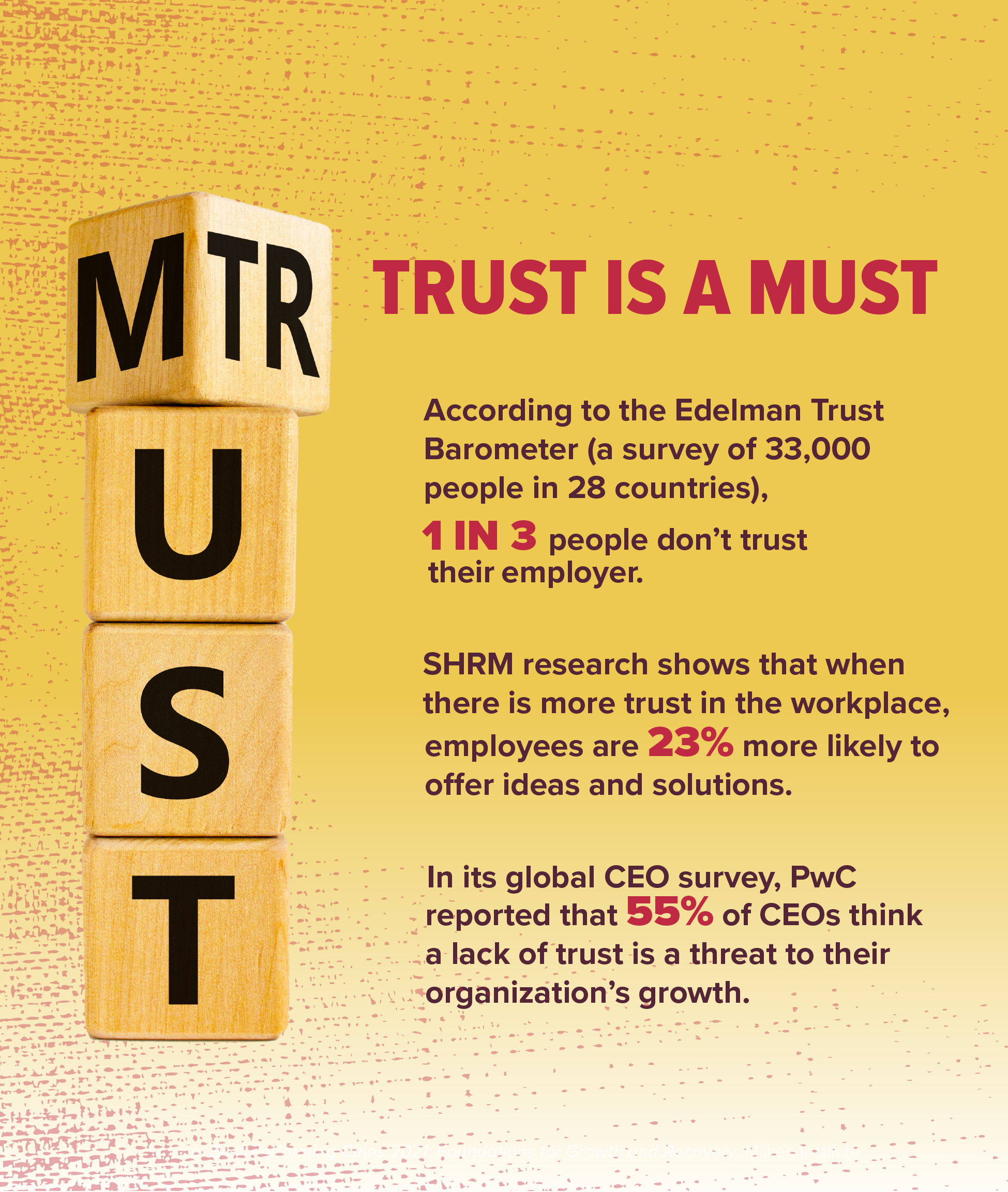
Employee engagement is another critical area where trust provides a competitive edge. In organizations where leadership is trusted, employees are more likely to align with the company’s mission and values. They take ownership of their work, innovate, and collaborate more effectively because they feel secure and respected. Trust in leadership reduces the friction that comes from micromanagement, doubt, and internal politics. Companies that cultivate trust internally often experience lower turnover rates and higher employee satisfaction, both of which contribute to stability and productivity. Talent, especially skilled and creative individuals, tends to gravitate toward workplaces that have earned a reputation for integrity and fairness. In competitive labor markets, trust can therefore differentiate an organization as an employer of choice.
Investor confidence is another dimension where trust translates into tangible benefits. Financial markets reward companies with a track record of ethical conduct, transparency, and reliable performance. Investors are more willing to provide capital at favorable terms when they believe in management’s credibility and foresight. Conversely, companies with inconsistent reporting, opaque practices, or a history of breaches face higher costs of capital and more stringent scrutiny. Trust reduces perceived risk, facilitating smoother access to funding and strategic partnerships. This is particularly important in times of market volatility when investor confidence can fluctuate rapidly, amplifying the impact of trust on long-term stability.
Trust also accelerates innovation and collaboration. In ecosystems where multiple stakeholders, such as suppliers, partners, and regulatory bodies, need to work together, trust reduces negotiation friction and fosters cooperative problem-solving. Companies that are trusted attract like-minded partners who are willing to share knowledge, resources, and capabilities. This collaborative advantage enables faster development cycles, cost efficiencies, and more resilient supply chains. Trust also mitigates the fear of opportunism, allowing organizations to explore ambitious ventures without the constant concern that partners might act against shared interests.
In a global context, trust is a critical factor in managing reputational risks. Cultural differences, regulatory environments, and public expectations vary widely across regions. Companies that maintain consistent ethical standards and transparent operations are better positioned to navigate these complexities. Trust acts as a stabilizing force, insulating organizations from localized crises and amplifying goodwill across borders. Furthermore, in a world where misinformation can spread rapidly, trust ensures that a company’s narrative is credible and resilient against distortion.
Ultimately, trust as a competitive advantage is both strategic and intangible. It cannot be bought or superficially constructed; it must be earned and continually reinforced. Every interaction with customers, employees, investors, and partners contributes to the reservoir of trust. Small, consistent actions often have a cumulative effect that far exceeds isolated, high-profile initiatives. Companies that understand this invest in policies, practices, and cultures that prioritize honesty, transparency, and accountability. They recognize that trust is a long-term asset whose value compounds over time.
The companies that succeed in building and sustaining trust often outperform competitors in multiple dimensions. They command premium pricing, retain loyal customers, attract top talent, and secure favorable investment terms. They are more resilient in crises, better positioned to innovate, and capable of forming stronger strategic alliances. In a business environment characterized by rapid technological change and fierce competition, these advantages are not merely beneficial—they are essential. Trust, therefore, is not just a moral imperative; it is a pragmatic and enduring source of competitive differentiation that shapes the trajectory of organizational success.
Organizations that prioritize trust understand that it is both a responsibility and an opportunity. By embedding trust into every layer of operations—from customer interactions to corporate governance—they create a sustainable ecosystem of loyalty, credibility, and influence. As competitors scramble to replicate technologies, features, or pricing strategies, trust remains uniquely proprietary, a form of capital that grows stronger with time and consistency. Companies that leverage trust effectively transform it into a tangible strategic advantage, securing a position of leadership that is both respected and enduring in the eyes of all stakeholders.



Leave a Reply