
Casinos operate in an environment where trust is a currency as vital as the chips on the table. Players are not only investing money, but also their time, attention, and confidence. Effective communication becomes a crucial mechanism through which casinos can establish, maintain, and enhance that trust. Whether it’s a physical establishment or an online platform, the clarity, transparency, and consistency of information communicated to players can significantly shape their perception of credibility and reliability. When a player feels informed and respected, they are more likely to develop a sense of loyalty and security that goes beyond simple gameplay.
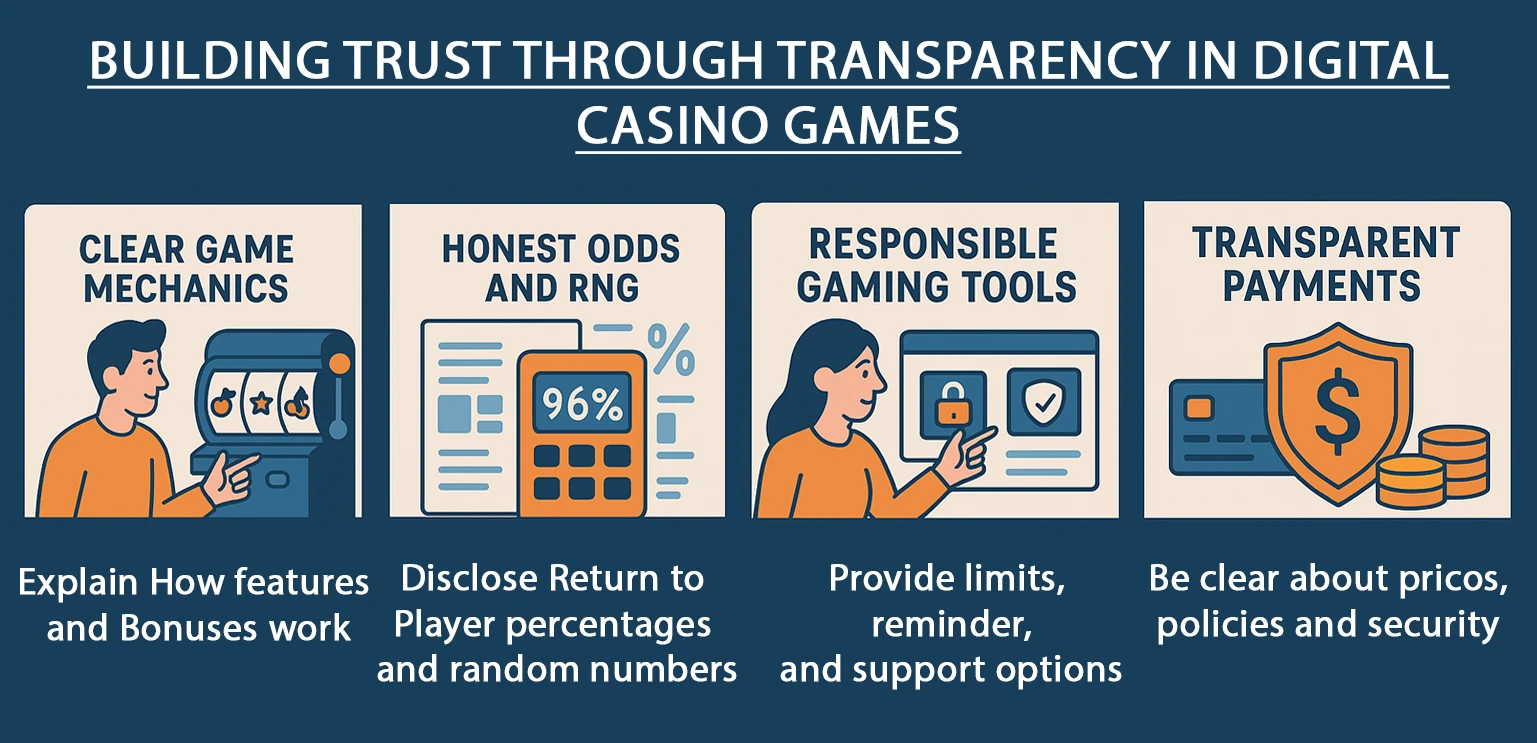
Transparency is a fundamental aspect of casino communication that underpins trust. Casinos must convey the rules, odds, and terms of play in a way that is easily accessible and understandable. Players need to know how games work, how payouts are calculated, and what potential risks they face. When this information is communicated clearly, casinos demonstrate that they have nothing to hide, which reassures players that the environment is fair and that they are not at a disadvantage due to concealed rules or misleading marketing. Transparency also extends to promotions, loyalty programs, and bonus structures. A casino that communicates the conditions of a promotion openly shows respect for the player’s intelligence and investment, which strengthens credibility.
In addition to transparency, consistency in communication reinforces trust. Players expect that the information they receive from a casino will remain reliable over time. For example, if a casino advertises a particular payout rate or tournament structure, it is crucial that these terms are honored consistently. Any discrepancy between what is communicated and what is experienced can quickly erode trust, even if the underlying intentions are benign. This consistency must also extend across multiple communication channels, from customer service interactions to social media updates. When players receive uniform and accurate information regardless of the medium, they develop confidence in the casino’s integrity and operational stability.
Responsiveness is another critical element in building trust through communication. Players often have questions or encounter issues that require timely clarification. Casinos that provide fast, helpful, and empathetic responses demonstrate that they value the player’s experience and are committed to resolving concerns. This responsiveness can be delivered through multiple channels, such as live chat, email support, or in-person staff. When a player feels heard and supported, the sense of security deepens, and the perception of reliability strengthens. Importantly, responsiveness is not just about speed but also about quality; providing accurate, respectful, and actionable information is essential for trust-building.
The tone and style of communication also influence how players perceive trustworthiness. Friendly, professional, and approachable language can make players feel comfortable and respected. On the other hand, overly technical, vague, or aggressive communication can create anxiety and suspicion. Casinos must strike a balance between being informative and being welcoming, ensuring that players feel included rather than intimidated. Personalized communication can further enhance trust, as it signals that the casino recognizes individual players and values their unique experience. Tailoring messages to specific player needs, preferences, or behaviors demonstrates attentiveness and fosters a connection that goes beyond transactional interaction.
Digital casinos face unique challenges and opportunities in communication. Online platforms must convey trustworthiness without the benefit of physical presence. This requires clear website design, intuitive navigation, visible licensing information, and secure payment systems. Communication extends to digital notifications, pop-ups, and in-app messaging, all of which must be handled carefully to avoid overwhelming or misleading players. Additionally, digital platforms can use automated systems for instant communication, but maintaining a human touch through accessible support is critical for complex or sensitive issues. Trust in an online context is fragile, and effective communication is a primary tool for reinforcing credibility.
Education is a subtle but powerful form of communication in casinos. By providing players with resources to understand strategies, odds, and responsible gambling practices, casinos position themselves as allies rather than mere profit-seekers. Educating players not only empowers them but also signals that the casino cares about long-term satisfaction and safety. Clear messaging about limits, self-exclusion options, and responsible play reinforces ethical standards and reduces the likelihood of negative experiences. Players who perceive a casino as protective rather than exploitative are more likely to develop enduring trust.
Crisis communication also plays a pivotal role in maintaining trust. In the event of technical issues, payment delays, or disputes, how a casino communicates can determine whether trust is preserved or lost. Prompt acknowledgment of the problem, transparent explanations of causes, and clear steps toward resolution are essential. Attempting to obscure mistakes or downplay issues can lead to frustration and erode confidence. On the contrary, open and accountable communication during crises can even strengthen trust, as players recognize the casino’s commitment to fairness and accountability.
Ultimately, trust in casinos is not a static attribute; it is a dynamic relationship maintained through continuous communication. Every interaction, from marketing messages to support responses, contributes to the perception of integrity, competence, and respect. By prioritizing transparency, consistency, responsiveness, tone, education, and accountability, casinos create an environment where players feel secure, valued, and confident. This trust is not only beneficial for player retention and satisfaction but also reinforces the broader reputation of the casino industry as ethical, reliable, and professional. In an environment where stakes are high and uncertainty is inherent, effective communication is the bridge between a functional gaming experience and a lasting, trustworthy relationship with players.






Leave a Reply