
Trust is not something that can be established instantly, especially in gambling platforms, where real money and personal information are at stake. Players approach these environments with a natural skepticism because the risks are tangible and often high. For a gambling platform to earn and maintain trust, it must demonstrate consistency, transparency, and a commitment to fairness over an extended period. Unlike many other online services, where a smooth user experience may suffice to retain engagement, gambling platforms operate in a sphere where credibility is as critical as the quality of games. One misleading outcome, one unexplained transaction, or one poorly managed customer complaint can have long-lasting effects on a platform’s reputation, eroding the fragile trust that users have invested. Therefore, trust is cumulative, built incrementally through repeated positive experiences rather than one-off assurances.
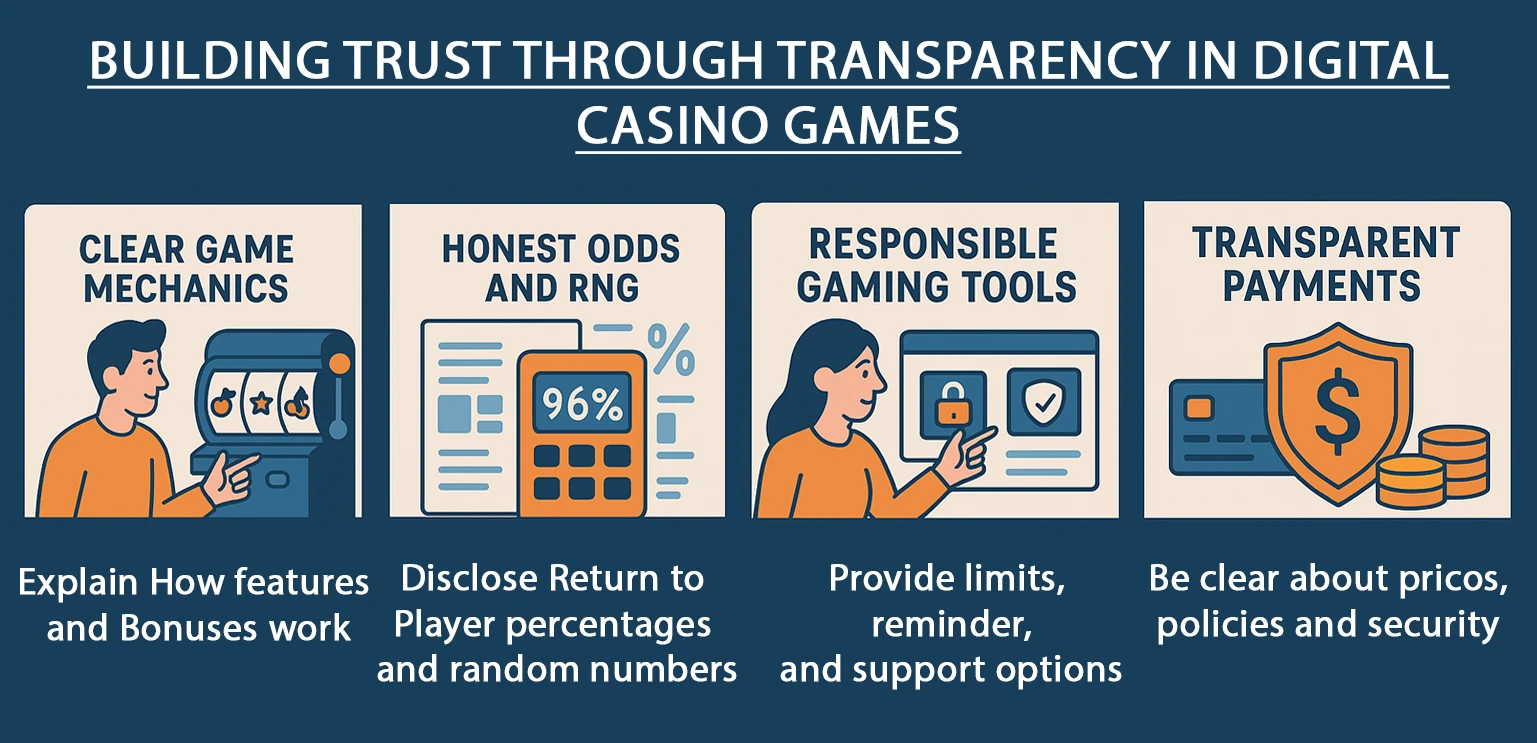
The first step in fostering trust is transparency. Players need clear, accessible information about how games function, how payouts are calculated, and how their personal and financial data is protected. Reputable platforms make this information easily available and regularly audited. Third-party certifications from recognized auditing organizations can reinforce a platform’s claims of fairness and security. For example, when a platform publishes results verified by independent auditors, it signals to players that the system cannot be manipulated at whim, and that random number generators (RNGs) or other mechanisms are functioning as intended. Such measures are essential because gambling inherently involves uncertainty, and users are more likely to engage confidently when they understand the rules and see evidence of accountability.
Consistency is another cornerstone of trust. Platforms that consistently deliver smooth gameplay, prompt withdrawals, and reliable support cultivate a sense of reliability. Players remember how platforms respond under stress, such as during peak traffic periods or when handling unusual account issues. A platform that repeatedly fails to meet expectations will find that even the most persuasive marketing cannot substitute for a reputation built over time. Regular updates, bug fixes, and proactive communication during system outages also contribute to demonstrating that a platform is managed professionally. Reliability is subtle, but it accumulates in players’ minds, eventually forming a baseline of confidence that encourages deeper engagement and long-term loyalty.
Customer support plays a significant role in reinforcing trust. A well-trained, responsive support team can turn potentially negative experiences into trust-building interactions. Players often judge a platform not just on the features it offers, but on how it reacts when things go wrong. Quick responses, empathetic communication, and fair resolutions to disputes indicate that the platform values its users and their concerns. Trust is strengthened when players see that their issues are taken seriously and addressed competently, and this effect grows over time as repeated positive interactions accumulate. Conversely, poor or inconsistent support can erode confidence rapidly, reminding users that trust is fragile and must be continually maintained.
Another critical factor is security. The online gambling environment is particularly vulnerable to breaches due to the financial transactions involved. Platforms that invest in robust security protocols, including encryption, two-factor authentication, and real-time monitoring, signal a serious commitment to protecting their users. Players develop trust gradually as they experience secure logins, safe deposits, and reliable withdrawals. Even minor lapses can undermine confidence, so consistent, demonstrable security practices are essential for sustaining trust over time. Security is not a one-time feature but a continuous obligation, and it communicates to users that the platform takes its responsibilities seriously.
Reputation within the wider community also matters. Online gambling forums, review sites, and social media amplify both positive and negative experiences. Platforms that cultivate a positive reputation through ethical operations and visible accountability benefit from a form of social proof that accelerates trust-building. Players are naturally influenced by the experiences of others, and consistent positive feedback can tip hesitant users toward engagement. However, reputation cannot be manufactured overnight; it develops gradually as a track record of integrity and reliability becomes visible across multiple channels. The interplay between individual user experience and broader community perception underscores why trust in gambling platforms cannot be instant but must be earned over time.
Marketing messages, while important for attracting attention, cannot substitute for actual performance. Trust is not a slogan; it is the lived experience of players interacting with a platform. Bold promises or flashy promotions might entice new users, but they do not create enduring trust. Only repeated demonstration of fairness, transparency, reliability, and security establishes the credibility necessary for users to invest their time and money confidently. Platforms that understand this principle focus on sustainable operations, long-term customer satisfaction, and continual improvement rather than quick wins. Trust is cumulative, fragile, and deeply connected to real-world performance rather than marketing narratives.
The passage of time itself contributes to trust development. Users observe patterns, notice consistencies, and weigh past experiences against future expectations. Platforms that consistently deliver positive experiences over months or years gain a form of credibility that cannot be instantaneously replicated. Users also test boundaries, making small deposits or low-stakes bets initially to evaluate the platform. Each successful interaction reinforces confidence, while any misstep can slow trust-building considerably. Patience, therefore, is required both from the platform and from users, as the accumulation of reliable experiences gradually solidifies the platform’s reputation.
Ultimately, trust in gambling platforms is a reflection of ongoing performance. It involves demonstrating fairness, maintaining consistent and reliable operations, offering responsive customer support, securing user data, and cultivating a positive reputation in the broader community. Each of these elements contributes to a gradual accumulation of confidence, and all must be present and sustained to form genuine trust. Players are naturally cautious because the stakes are high, and this caution ensures that trust, once established, carries substantial value for both users and platforms. In gambling, trust cannot be rushed or superficially generated; it emerges from a sustained commitment to integrity, transparency, and reliability, and it solidifies over time through repeated, verifiable positive experiences.
Trust is the foundation of user engagement and loyalty, and it underscores why gambling platforms must prioritize long-term credibility over short-term gains. Players remember not only wins and losses but also the quality of their interactions with the platform. Platforms that recognize that trust is a journey, not an instant achievement, are better positioned to foster enduring relationships, maintain a strong reputation, and create a sustainable, thriving community where users feel confident and valued.







Leave a Reply