
In the competitive world of casinos, whether physical or online, honesty is not just an ethical choice but a strategic advantage. When a casino demonstrates transparency and integrity, it fosters trust among its players, which in turn cultivates long-term loyalty. Gamblers, both casual and professional, are naturally wary of establishments that seem secretive or manipulative. This wariness stems from the high stakes involved and the complexity of games, which often require a level of understanding and confidence to engage fully. Casinos that prioritize honesty make players feel respected and valued, reinforcing a positive relationship that goes beyond mere entertainment.
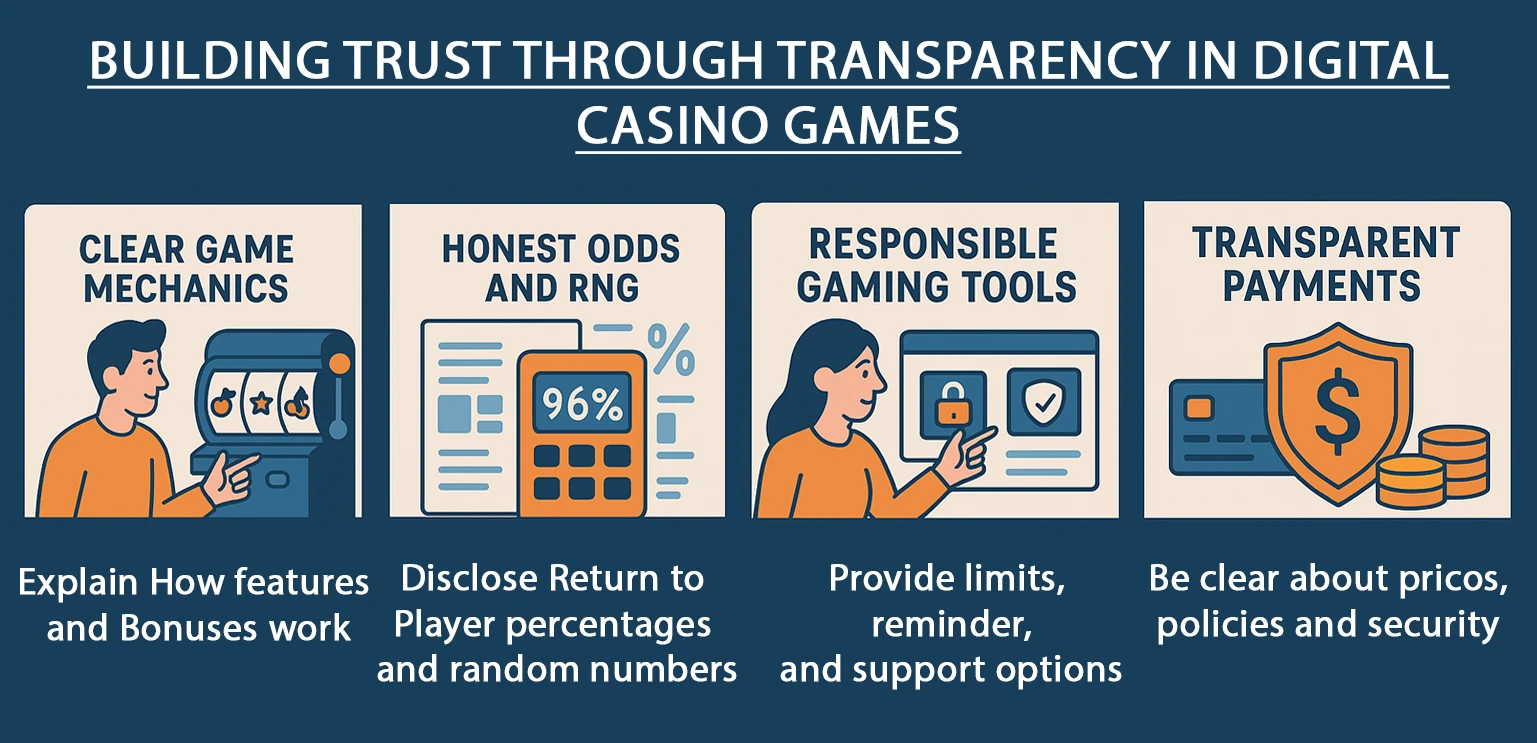
Transparency begins with the clarity of rules. Every game has odds, payout structures, and conditions that players need to understand. When a casino clearly communicates these details, it reduces confusion and prevents feelings of deception. Players are more likely to return to a casino where they know exactly what to expect, from the behavior of a slot machine to the calculation of a poker hand. Clear communication in terms of wagering requirements, bonuses, and withdrawal processes also contributes to this sense of fairness. By avoiding ambiguous or misleading statements, casinos signal to their customers that they are trustworthy and that their experience is a priority.
Another key aspect of honesty is the integrity of the games themselves. Reputable casinos use certified random number generators and have their games regularly audited by independent agencies. This ensures that outcomes are genuinely random and not manipulated to favor the house beyond the established odds. When players are aware of these certifications, they are more likely to trust that the games are fair. Trust in game integrity is crucial because it directly impacts the player’s perception of value. Even a highly attractive bonus or luxurious environment cannot compensate for the suspicion that a game is rigged. Honest practices in game mechanics build confidence, which is the cornerstone of player loyalty.
Financial transparency is equally vital. Players must be confident that their deposits are secure, that their winnings will be paid out promptly, and that no hidden fees or unfair restrictions exist. Casinos that provide clear banking policies, support multiple secure payment methods, and maintain visible accountability for transactions convey a strong message of reliability. This is especially important in online gaming, where players cannot physically inspect the establishment. A transparent approach to finances reassures players and minimizes anxiety, fostering a stable and trusting relationship.
Customer service plays a complementary role in promoting honesty and loyalty. A responsive and empathetic support team reinforces a casino’s commitment to fair treatment. Honest communication in customer service—acknowledging errors, explaining policies clearly, and offering appropriate resolutions—enhances the player’s perception of the casino as a dependable partner. When issues arise, how a casino handles them can either strengthen or damage trust. Proactive and truthful communication during conflicts often turns a potentially negative experience into a demonstration of integrity, deepening loyalty rather than eroding it.
Marketing strategies also reflect a casino’s commitment to honesty. Ethical advertising, with realistic depictions of winnings and responsible promotion of gambling limits, sets the tone for a trustworthy relationship. Overstated promises, hidden conditions, or manipulative tactics can create initial engagement but often lead to disappointment and attrition. Players are increasingly savvy and can detect exaggeration or misrepresentation, especially with the abundance of online reviews and social media discussions. Honest marketing aligns player expectations with reality, reducing frustration and building a foundation for repeat patronage.
The culture of honesty within the organization influences employee behavior, which in turn affects player experience. Staff who are trained to prioritize ethical practices in every interaction contribute to a consistent and reliable environment. This culture of integrity manifests in transparent table dealings, accurate record-keeping, and equitable enforcement of rules. When players sense that staff are empowered and encouraged to act honestly, they perceive the entire casino as credible. This perception strengthens the emotional bond between the player and the establishment, encouraging loyalty that transcends superficial incentives.
Honesty also supports responsible gambling initiatives. Casinos that openly address the risks of gambling, provide tools for self-regulation, and collaborate with support organizations demonstrate genuine concern for their patrons’ well-being. This ethical stance signals that the casino values players as individuals rather than mere sources of revenue. By fostering a safe and supportive environment, casinos not only reduce potential harm but also earn the respect and gratitude of players, further solidifying loyalty.
In the broader perspective, loyal players become ambassadors for the casino. Positive word-of-mouth, reviews, and personal recommendations are invaluable marketing tools that originate from a foundation of trust. Players who experience consistent honesty are more likely to share their experiences and encourage friends and family to engage with the casino. This organic growth is a direct result of integrity, showing that honesty is not only ethically right but also strategically advantageous.
Ultimately, honesty in a casino environment is multifaceted, encompassing transparency in rules, fairness in games, reliability in financial matters, integrity in marketing, consistency in staff behavior, and commitment to player welfare. Each of these elements reinforces trust, which is the cornerstone of loyalty. A player who trusts a casino feels secure, respected, and valued, leading to repeated engagement and advocacy. In an industry where competition is fierce and options are plentiful, honesty distinguishes a casino from its peers. It creates a cycle in which ethical practices cultivate trust, trust builds loyalty, and loyalty strengthens the casino’s reputation and long-term success.
A commitment to honesty is, therefore, both a moral and a business imperative. Casinos that embrace transparency and integrity cultivate lasting relationships with their players, establishing a reputation that attracts new patrons while retaining existing ones. This approach ensures that the casino thrives not only through short-term gains but through sustained trust and loyalty, demonstrating that ethical behavior is inseparable from long-term profitability.
Honesty, in essence, transforms a transactional relationship into a meaningful connection. Players do not merely gamble—they engage with a platform they believe respects them. This belief fosters loyalty that withstands the temptations of competitors and the unpredictability of gaming outcomes, proving that integrity is one of the most valuable assets a casino can possess.



Leave a Reply