
The integrity of any casino relies not only on its technology and financial stability but also on the ethical framework guiding its operations. Ethical conduct in casinos is foundational to creating trust with players, regulators, and the broader community. Without a strong ethical foundation, even the most technologically advanced platforms can falter, losing credibility and potentially facing legal or reputational consequences. At its core, casino ethics encompass fairness, transparency, responsibility, and accountability, all of which contribute to a safer and more enjoyable gaming environment.
Fairness is perhaps the most visible aspect of casino ethics. Players expect that the games they participate in are not rigged and that outcomes are determined by legitimate probability. This expectation is supported through regulated gaming systems, audits by independent third parties, and certified random number generators. Ethical casinos ensure that payout percentages and odds are accurately represented and never manipulated to mislead players. The perception of fairness directly affects player trust; even minor suspicions of unfair play can quickly erode a casino’s reputation.
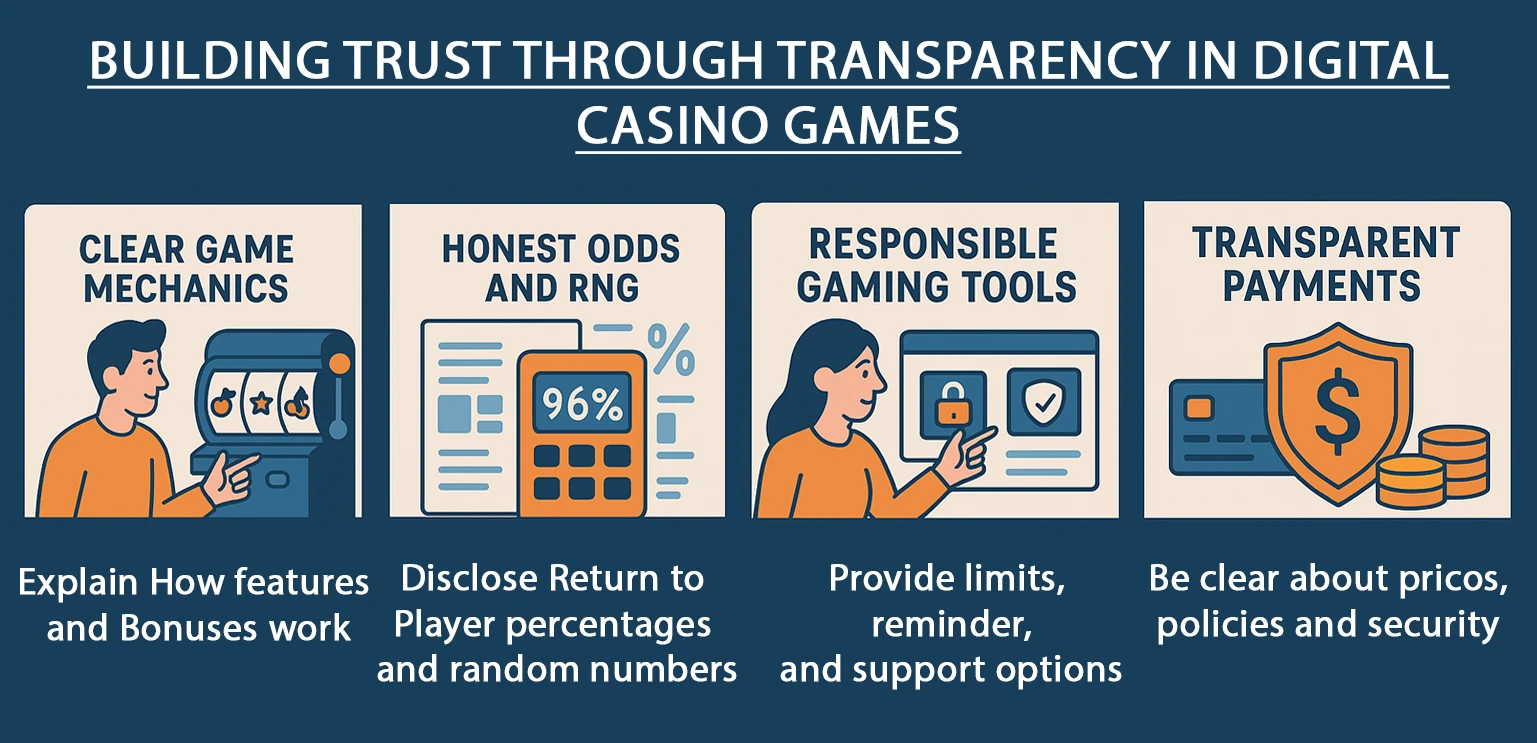
Transparency complements fairness by allowing players to understand how the games work and how their funds are managed. This includes providing clear rules for each game, publishing terms and conditions in accessible language, and ensuring that all fees or wagering requirements are explicitly stated. Ethical casinos often go further by educating players on responsible gambling practices, the probabilities of winning, and potential risks. Transparency extends beyond player interactions to regulatory compliance, as authorities require clear reporting of financial transactions, anti-money laundering measures, and adherence to legal standards. By maintaining transparency, casinos create an environment where players can make informed choices and trust that the establishment is operating above board.
Responsibility in casino ethics is multifaceted, encompassing the well-being of players, employees, and the wider community. Casinos have a duty to prevent gambling addiction and to provide tools and resources for those at risk. This includes setting deposit limits, offering self-exclusion programs, and training staff to recognize signs of problem gambling. Ethical casinos also take care to protect employees, ensuring fair wages, safe working conditions, and opportunities for professional development. Beyond the internal ecosystem, responsible operations mean contributing positively to the local community, whether through taxation, charitable contributions, or community engagement initiatives. These practices reflect a commitment to operating as a socially responsible business rather than purely a profit-driven entity.
Accountability is another crucial pillar of casino ethics. Ethical casinos accept responsibility for mistakes or malpractices, addressing complaints promptly and thoroughly. Mechanisms such as independent dispute resolution, accessible customer support, and adherence to regulatory guidelines help maintain accountability. When errors occur—such as software glitches, payout disputes, or breaches in security—an ethical casino takes corrective action, communicates openly with affected parties, and implements preventive measures to avoid recurrence. This commitment to accountability demonstrates respect for players and upholds the integrity of the casino brand.
Ethics in the casino industry also extend to marketing and advertising practices. Misleading promotions, false promises of guaranteed wins, or targeting vulnerable populations are unethical behaviors that can cause long-term harm. Ethical marketing prioritizes honesty and clarity, ensuring that promotional messages accurately reflect the nature of the games and the odds involved. Marketing campaigns should encourage informed participation rather than exploit addictive tendencies. In this way, ethical considerations guide not only operational practices but also the messaging that reaches prospective and existing players.
Technology plays a dual role in supporting casino ethics. Advanced software can enforce fair play, monitor player behavior for signs of risk, and enhance security for financial transactions. However, technology also poses ethical challenges, such as data privacy concerns, algorithmic biases, or the potential for manipulative game design. Ethical casinos take proactive steps to protect player data, maintain secure payment systems, and ensure that game algorithms are designed to provide a genuine chance of success. By aligning technological practices with ethical principles, casinos can reinforce trust and credibility in an increasingly digital gambling landscape.
Regulatory oversight is inseparable from ethical behavior in casinos. Licensing authorities establish minimum standards for fairness, transparency, and responsible gambling. Casinos adhering to these regulations demonstrate their commitment to ethical conduct, while those operating outside these boundaries risk sanctions, fines, or revocation of licenses. Beyond mere compliance, leading ethical casinos often exceed regulatory requirements, implementing best practices that set industry benchmarks. This proactive stance reinforces their credibility and differentiates them from competitors who may focus solely on profit.
Ultimately, the importance of casino ethics is reflected in the relationships built with players. A trustworthy reputation encourages repeat engagement, positive word-of-mouth, and long-term profitability. Conversely, unethical behavior—whether in misleading marketing, unfair game mechanics, or negligence in player protection—can quickly damage public perception and drive customers away. Players today are increasingly informed and discerning, expecting transparency, fairness, and social responsibility from the platforms they choose. Ethical operations therefore become a strategic advantage, sustaining both the business and its community of users.
In conclusion, ethics form the backbone of sustainable casino operations. Fairness, transparency, responsibility, accountability, and ethical marketing practices collectively define how a casino interacts with its stakeholders. Technology and regulation serve as tools to implement and enforce these ethical standards, ensuring safe and equitable play. By prioritizing ethics, casinos not only protect players and employees but also secure their long-term reputation and viability. In an industry where trust is paramount and scrutiny is constant, ethical conduct is not optional—it is the very foundation upon which successful and respected casinos are built.





Leave a Reply