
The realm of betting is a complex interplay of chance, strategy, and human behavior, with psychology often being the silent architect guiding decisions and shaping outcomes. At the core of betting psychology lies the concept of risk perception. Humans are not naturally wired to process probabilities in a purely rational way. The allure of a high-stakes win can overshadow the statistical reality of potential loss, and this is where cognitive biases begin to exert their influence. The optimism bias, for instance, leads individuals to overestimate their chances of success, believing that favorable outcomes are more likely to happen to them than to others. This bias is particularly potent in gambling, where a player may ignore repeated losses and maintain an inflated sense of confidence in their next bet.
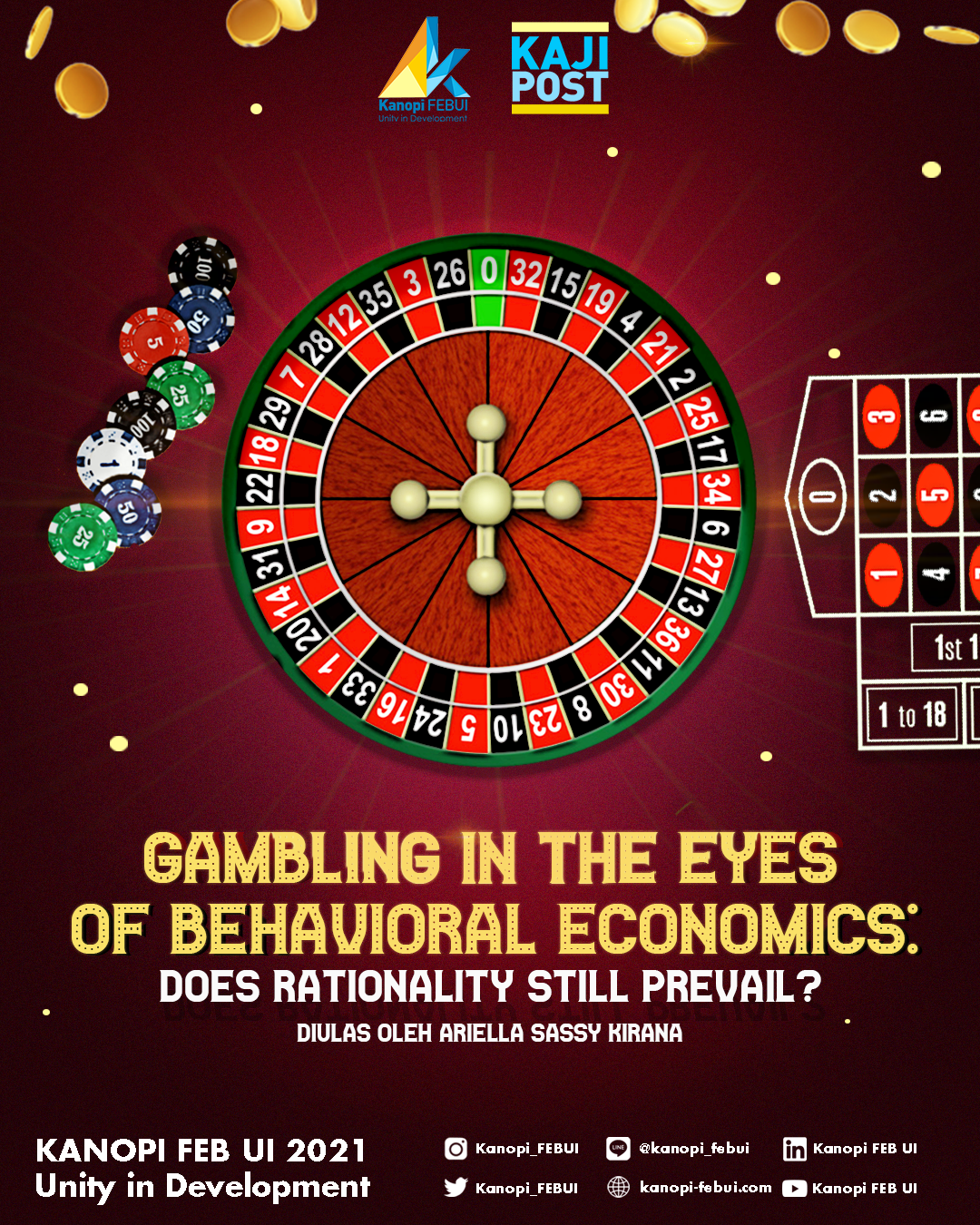
Closely related is the concept of loss aversion, a principle derived from behavioral economics. Loss aversion suggests that the pain of losing money is psychologically more intense than the pleasure of gaining an equivalent amount. This can drive bettors to make irrational decisions, such as doubling down on losing bets in an attempt to recover losses—a behavior commonly known as the “gambler’s fallacy.” The gambler’s fallacy itself is another fascinating psychological pattern: the erroneous belief that past outcomes influence future results in independent random events. A player might assume that because a roulette wheel has landed on red several times consecutively, black is “due,” despite each spin being statistically independent.
Social psychology also plays a significant role in shaping betting behavior. Humans are inherently social creatures, and the presence of others, or even the perception of others’ expectations, can impact decision-making. For example, betting environments like casinos or online platforms often use social cues to encourage participation. The sight of other people winning, loud celebrations of big payouts, or even leaderboards showcasing top performers can trigger a sense of competition or urgency. This phenomenon is closely linked to the concept of social proof, where individuals look to the actions of others to guide their own behavior, often leading to riskier choices than they would make in isolation.
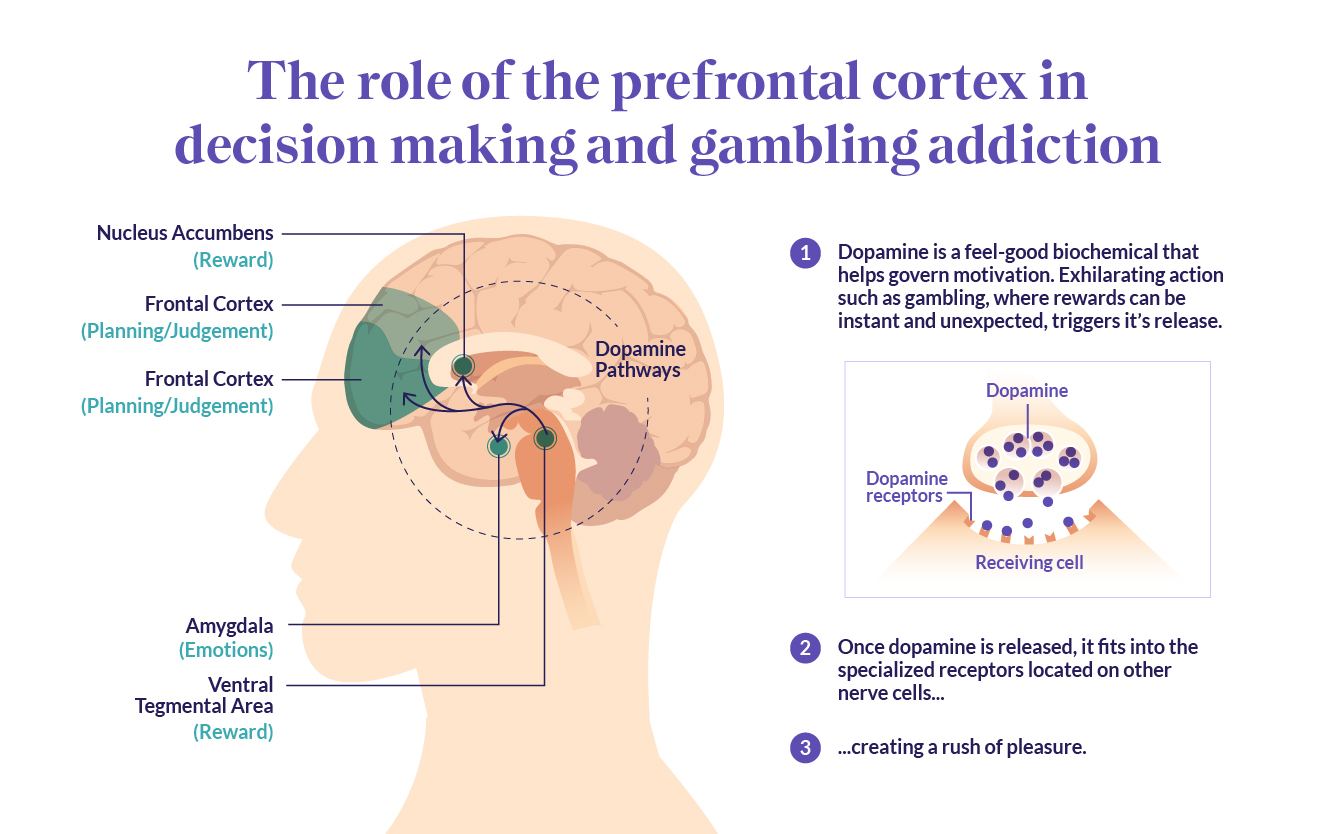
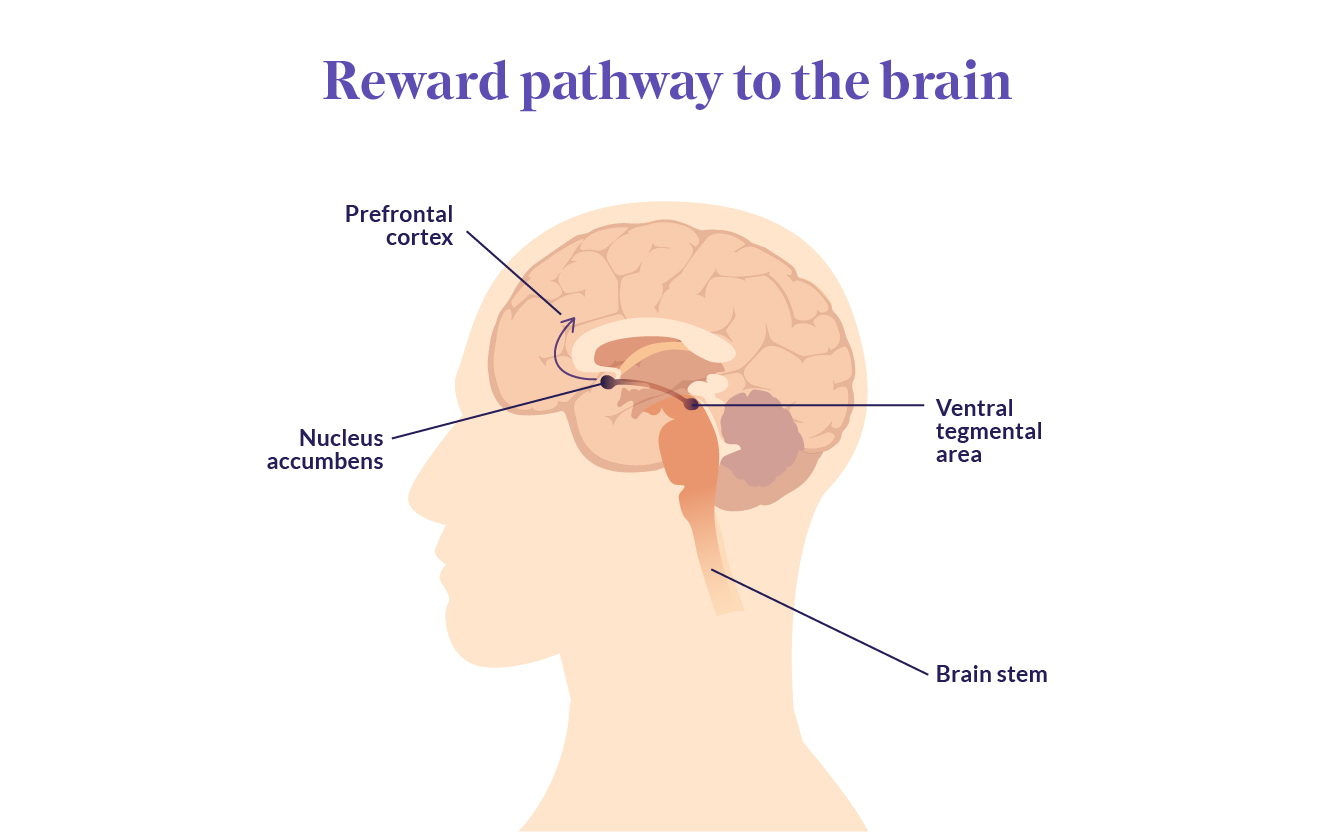
Another key psychological factor is the role of reward systems in the brain. Betting activates the mesolimbic pathway, commonly known as the brain’s reward circuit, which is heavily involved in the release of dopamine. Dopamine is the neurotransmitter associated with pleasure and reinforcement, creating a cycle where wins provide a rush of reward, encouraging repeated behavior. Interestingly, near misses—situations where a bettor comes close to winning—also stimulate this pathway. The brain interprets near misses as partial successes, which can enhance motivation and prolong gambling sessions, even in the absence of actual wins. This effect explains why many individuals feel compelled to continue betting, chasing a win that may never come, a process that can foster addictive behavior over time.
Personality traits also contribute to how individuals approach betting. Research has shown that traits such as impulsivity, sensation-seeking, and risk tolerance correlate strongly with gambling frequency and intensity. Highly impulsive individuals are more likely to make snap decisions, bet larger sums, or chase losses without fully considering consequences. Sensation-seekers, drawn to thrilling experiences, are often attracted to high-variance betting opportunities where the potential payoff is substantial, despite the increased likelihood of loss. Understanding these personality-driven tendencies is essential for predicting patterns of behavior and designing interventions for problem gambling.
Cognitive distortions further color the betting landscape. Many bettors fall prey to illusions of control, believing they can influence outcomes through skill or ritual, despite dealing with games largely governed by chance. Superstitions, lucky charms, or pre-game routines are common manifestations of this distortion. Additionally, selective memory contributes to persistent betting behavior; wins are vividly remembered and celebrated, while losses are rationalized or forgotten, reinforcing an overestimation of success rates. This skewed recollection can perpetuate cycles of risk-taking and elevate the emotional stakes of future bets.
Timing and context are equally influential. The psychological state of a bettor, including mood, stress levels, and external pressures, can dramatically alter risk perception and decision-making. Individuals experiencing positive emotions may become overconfident, taking larger risks, while stress or frustration can lead to impulsive attempts to recover losses quickly. Online betting platforms exacerbate these tendencies by providing constant access, immediate feedback, and interactive features that capitalize on real-time engagement. The convenience and speed of digital betting often bypass natural reflection, making impulsive decisions more frequent and harder to control.
Education and awareness about the psychological mechanisms in play are crucial for both bettors and regulators. By understanding biases, reward systems, and cognitive distortions, individuals can better recognize their own vulnerabilities and adopt strategies to manage risk responsibly. Simple interventions, such as setting strict betting limits, taking regular breaks, and maintaining a realistic understanding of probabilities, can mitigate the influence of psychological traps. For operators and policymakers, designing ethical gaming environments that minimize exploitative cues—like exaggerated win displays or manipulative notifications—can promote healthier engagement and reduce problem gambling.
Ultimately, the intersection of psychology and betting illustrates that gambling is not merely a matter of luck or skill; it is a reflection of human cognition, emotion, and social influence. Every bet is filtered through a lens of perception, shaped by biases, reinforced by reward circuits, and influenced by context and personality. Awareness of these factors empowers bettors to approach gambling with mindfulness, transforming what could be a compulsive pursuit into a controlled, informed experience. By respecting the profound impact of psychological forces, both individuals and the industry can cultivate safer, more conscious engagement with betting, balancing the thrill of risk with the wisdom of self-regulation.
Behavioral patterns, whether rooted in cognitive bias, emotional state, or social influence, highlight that understanding the mind is as critical as understanding the odds. Betting, in essence, becomes a mirror reflecting the human psyche, revealing the interplay between desire, fear, and the constant quest for reward. Recognizing these patterns allows for a more deliberate approach, where calculated decisions replace impulsive reactions, and the thrill of play can coexist with responsibility. In this way, psychology not only shapes betting outcomes but also defines the ethical and sustainable boundaries within which gambling can remain a safe and entertaining activity.


Leave a Reply