
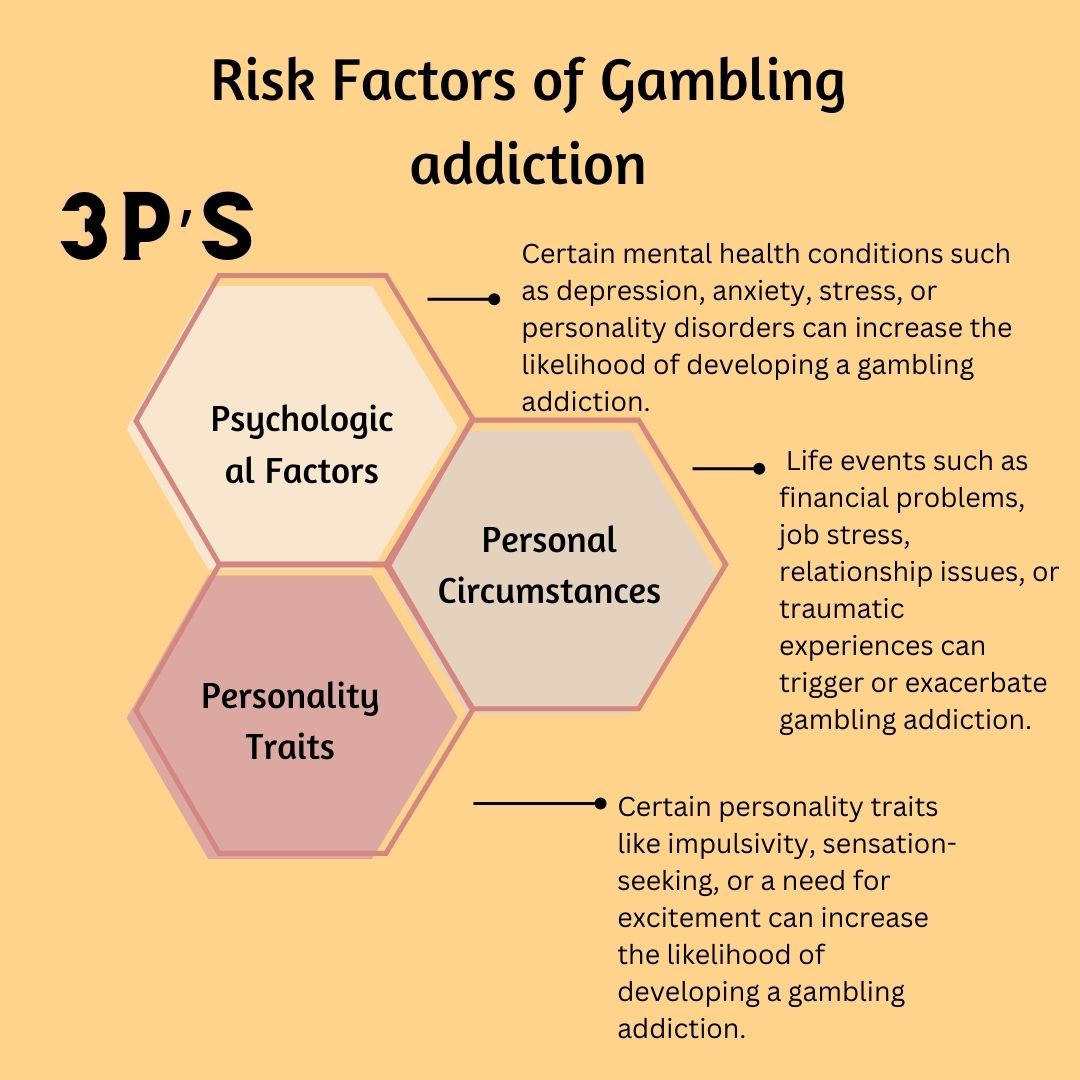
Gambling is a complex behavior shaped by a combination of psychological, social, and environmental factors. The development of gambling habits often begins subtly, sometimes even before an individual recognizes it as a behavior pattern. Many researchers agree that initial exposure plays a crucial role. Early experiences with gambling—whether in family settings, social gatherings, or media portrayals—can normalize the activity. When children or adolescents see adults engaging in lotteries, betting, or casino games, they may internalize gambling as a routine form of entertainment. This early exposure often intersects with personality traits, such as sensation-seeking and risk-taking tendencies, which can make gambling more appealing.
The role of reinforcement in habit formation is central to understanding how gambling habits solidify. Operant conditioning, a concept from behavioral psychology, suggests that behaviors followed by rewards are more likely to be repeated. In gambling, wins, whether large or small, act as positive reinforcement. Even near misses or small gains can trigger similar effects, creating a compelling cycle where the brain associates gambling with pleasure or excitement. Over time, these repeated reinforcement experiences can lead to habitual behavior, often occurring without conscious deliberation. This mechanism is why many individuals report feeling a strong urge to gamble after experiencing intermittent wins.
Cognitive biases further contribute to the development of gambling habits. The illusion of control, where gamblers believe they can influence random outcomes, and the gambler’s fallacy, the mistaken belief that past events affect future ones, reinforce the behavior. These biases can create persistent hope, leading individuals to continue gambling despite repeated losses. Over time, the interplay between these cognitive distortions and reinforcement schedules strengthens gambling habits, embedding them more deeply into daily routines.
Social influence is another critical factor. Peer pressure and social validation often play roles in initiating gambling behavior. Among adolescents and young adults, gambling with friends or in group settings can provide a sense of belonging and acceptance. The social context not only facilitates initial engagement but also sustains continued participation. Online communities, streaming platforms, and social media further amplify this effect, making gambling appear more prevalent and socially acceptable than it might be in reality.
The environment in which gambling occurs also affects habit formation. Accessibility and availability are significant predictors. Casinos, betting shops, and online gambling platforms are designed to encourage extended engagement through strategic layouts, user-friendly interfaces, and continuous reinforcement mechanisms. Online gambling, in particular, offers convenience, anonymity, and instant access, which can accelerate habit formation. Constant notifications, personalized offers, and gamified features keep users engaged, often blurring the line between casual play and habitual behavior.
Emotional factors contribute heavily to the development of gambling habits. Many individuals gamble to cope with stress, boredom, loneliness, or negative emotions. The temporary excitement or distraction provided by gambling can create a reinforcing loop where the activity becomes a primary coping mechanism. This pattern can escalate, with gambling gradually replacing healthier forms of stress relief. The emotional attachment to gambling can be subtle at first but may intensify over time, making the habit more resistant to change.
Biological predispositions may also play a role. Research in neuroscience indicates that gambling stimulates the brain’s reward system, particularly the release of dopamine. Some individuals may have heightened sensitivity to these rewards, making them more susceptible to developing habitual gambling behaviors. Genetic factors, combined with environmental influences and learned behaviors, contribute to the complexity of gambling habit formation.
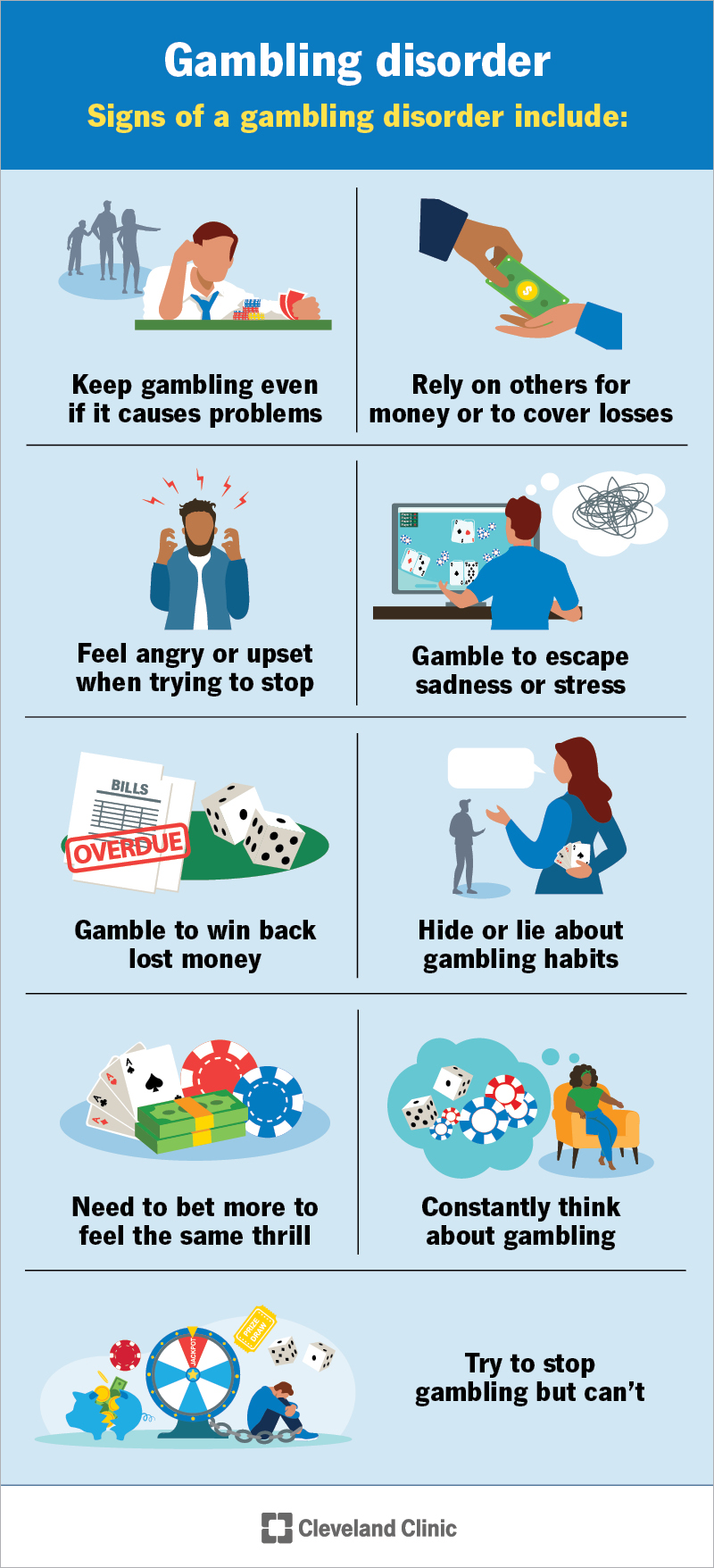
As gambling habits become more entrenched, they can influence decision-making and risk assessment. Individuals may increasingly prioritize gambling over other activities, allocate more time and resources to it, and underestimate the consequences of losses. This shift often begins subtly, with minor deviations from personal or financial goals, and can gradually escalate into more severe patterns. For some, gambling becomes intertwined with identity and lifestyle, reinforcing the habit further and making disengagement challenging.
Intermittent reinforcement, emotional attachment, cognitive biases, and social influences combine to create a powerful habit loop. Each component strengthens the others, producing a self-sustaining pattern that is difficult to break. Even when individuals recognize the negative consequences of gambling, the habitual nature of the behavior often makes cessation challenging. Early intervention, education, and awareness of these mechanisms are crucial for preventing harmful gambling habits from forming or escalating.
In conclusion, gambling habits develop through a complex interplay of psychological reinforcement, cognitive distortions, social influence, environmental accessibility, emotional regulation, and biological predispositions. Initial exposure and positive reinforcement play critical roles, while social and online environments can amplify the behavior. Emotional needs and coping strategies further entrench gambling in daily life, supported by cognitive biases that sustain engagement. Over time, these elements form a habit loop that can be difficult to disrupt, highlighting the importance of understanding the mechanisms behind gambling behavior to promote responsible gambling and early preventive strategies.
The progression from casual play to habitual gambling is rarely abrupt; it usually involves gradual reinforcement, repeated engagement, and increasing emotional attachment. Recognizing these stages can inform interventions, from educational programs that raise awareness of cognitive biases to regulatory measures that limit accessibility and provide safer gambling environments. Ultimately, understanding how gambling habits develop allows individuals, families, and policymakers to address the behavior proactively, mitigating risks before they escalate into significant personal or social consequences.










Leave a Reply