
Entertainment thrives not only on creativity and engagement but also on structure and control. Without control, experiences can easily become chaotic or frustrating, eroding the enjoyment that audiences seek. Control, in the context of entertainment, refers to the balance between predictable frameworks and the freedom for personal expression or decision-making. This principle applies across numerous forms of entertainment, from video games and board games to live performances and film narratives. It is a subtle, often overlooked factor that significantly shapes how audiences perceive and value their experiences.
In interactive media such as video games, control is perhaps most evident. Players are drawn to games that offer a sense of agency—where their decisions matter, and their actions produce visible results. This does not mean unlimited freedom; rather, it involves a carefully curated environment where options are clear, and consequences are comprehensible. Too little control, such as arbitrary restrictions or inconsistent rules, can leave players feeling powerless or frustrated. Conversely, too much freedom without guidance can lead to confusion and a lack of satisfaction. Successful games achieve a balance, creating structured systems that empower players while maintaining narrative or mechanical coherence.
Board games and tabletop role-playing games offer another clear illustration of control’s role in entertainment. Here, rules define the boundaries within which creativity and strategy flourish. Players relish the ability to make choices within these constraints, testing their skills, predicting opponents’ moves, and manipulating outcomes. Control through rules ensures fairness and clarity, enabling everyone to understand the stakes and possibilities. The predictability of rules does not stifle creativity; instead, it provides a foundation upon which players can innovate, plan, and react. This blend of structure and autonomy fosters both engagement and long-term enjoyment.
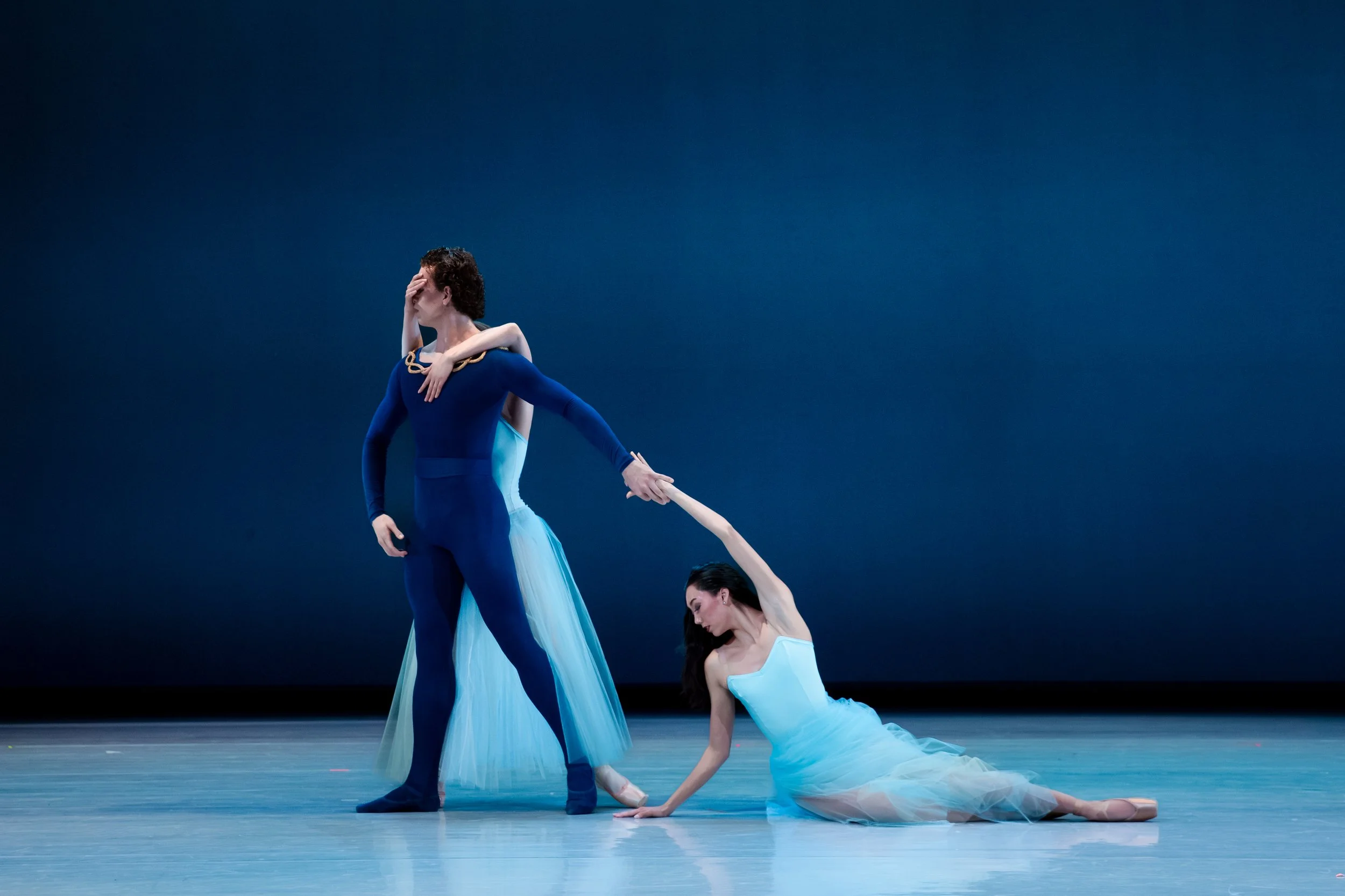
Live performances, whether in theater, music, or dance, also rely heavily on control. Directors and choreographers meticulously design the timing, pacing, and sequencing of performances to ensure that audiences remain captivated. Performers exercise control over their movements, timing, and expressions, balancing spontaneity with rehearsed precision. The audience, in turn, experiences a sense of rhythm and flow, where emotional crescendos and dramatic pauses are deliberate and impactful. Without such control, performances risk losing coherence, leaving viewers disoriented or disengaged. Well-executed control enhances immersion, making each beat and gesture meaningful.
In cinematic storytelling, control manifests through narrative structure and pacing. Writers and directors manipulate the order and timing of events to guide the audience’s attention, evoke emotions, and maintain suspense. A tightly controlled plot ensures that the story progresses logically while allowing moments of surprise and wonder. Films that lack narrative control, where sequences feel random or character decisions seem unmotivated, often fail to captivate. By contrast, controlled storytelling—where the audience understands the rules of the narrative universe and the logic of character behavior—enhances satisfaction and emotional resonance. Even in genres that embrace ambiguity or open-endedness, a sense of underlying control helps viewers engage without feeling lost.
Control also plays a crucial role in digital entertainment platforms and media services. Streaming interfaces, for instance, provide users with control over what they watch, when, and how. Features like search, personalized recommendations, playback speed adjustments, and content filters enhance the user experience by granting autonomy within a well-organized system. This sense of control reduces frustration and increases satisfaction, as users can navigate content efficiently and tailor their entertainment to personal preferences. Even the design of interactive storytelling platforms, such as branching narratives or gamified apps, demonstrates how control enhances engagement by allowing users to influence outcomes within defined parameters.
Beyond structural control, psychological elements of control significantly affect enjoyment. Predictability, or the ability to anticipate outcomes based on established rules, provides comfort and reduces anxiety. At the same time, surprise and uncertainty are more thrilling when they occur within a controlled environment. This interplay between expectation and novelty keeps audiences invested. For example, in amusement park rides, participants feel excitement because they understand the safety and mechanics of the ride, even as they experience drops, spins, and sudden movements. The controlled risk amplifies thrill while maintaining a sense of security.
Control also extends to social aspects of entertainment. Multiplayer games, collaborative creative projects, and audience participation events all benefit from clear norms and guidelines. These controls ensure fair play, equitable contribution, and mutual respect. Participants can engage confidently, knowing that the system or community enforces boundaries that prevent chaos or unfair advantage. This structured social control fosters trust, encourages repeat engagement, and enhances overall enjoyment. Without such mechanisms, even the most inventive entertainment can devolve into frustration or conflict.
Moreover, control is essential for sustaining long-term engagement. Entertainment that feels chaotic or inconsistent can quickly lose appeal, as users struggle to predict outcomes or understand the rules. Conversely, well-controlled experiences provide a reliable framework for growth, skill development, and mastery. Players, viewers, or participants are motivated to invest time and attention because their actions have predictable effects and their efforts yield tangible rewards. Control, therefore, is not about restricting fun—it is about amplifying it by creating an environment where exploration, creativity, and engagement can flourish safely and meaningfully.
Ultimately, the value of control in entertainment lies in its ability to mediate between freedom and structure, surprise and predictability, challenge and safety. It ensures that audiences can fully immerse themselves, make meaningful choices, and experience satisfaction without confusion or frustration. Whether in interactive media, live performances, storytelling, or digital platforms, control preserves the integrity and appeal of entertainment. It is a foundational principle that, when implemented thoughtfully, transforms simple enjoyment into a deeply engaging, memorable experience. The subtle architecture of control is invisible when executed perfectly, yet its absence is immediately felt, highlighting its essential role in sustaining engagement, satisfaction, and long-lasting entertainment.




Leave a Reply