
In the realm of modern gaming, the reputation of a casino plays a central role in shaping player behavior and sustaining long-term loyalty. A strong reputation acts as a signal of trustworthiness, reliability, and fairness, all of which are critical factors for players deciding where to invest their time and money. When a casino has established itself as reputable, it creates a sense of security among its patrons, allowing them to engage with games and services without fear of unfair practices or unresolved disputes. This sense of assurance often translates into repeated visits and a willingness to explore new offerings within the platform, fostering deep and lasting loyalty.
Players are naturally drawn to environments where fairness is visibly upheld. Regulatory compliance, certification from recognized authorities, and transparent communication of game odds are all ways casinos signal that they prioritize integrity. A casino that consistently demonstrates ethical conduct builds credibility, which in turn cultivates trust among its community. Trust is the cornerstone of loyalty because players are more likely to return to a platform where they feel their time and resources are respected. In contrast, even a single instance of perceived dishonesty, such as delayed payouts or rigged games, can quickly erode confidence and drive users to competitors. Reputation, therefore, is not just a marketing tool but a tangible asset that directly affects player retention and long-term profitability.
Beyond regulatory compliance, the quality of customer service is another crucial component of reputation. Prompt, professional, and empathetic support helps resolve issues efficiently, leaving players with a positive impression. When users encounter problems, whether technical or transactional, the speed and effectiveness of the resolution reinforce the perception that the casino values its patrons. Additionally, personalized engagement, such as remembering player preferences and offering tailored promotions, strengthens the emotional connection between players and the brand. Emotional loyalty often surpasses transactional loyalty; players who feel acknowledged and appreciated are more likely to return and recommend the casino to others, amplifying both retention and reputation simultaneously.
Technology and security measures also play an essential role in maintaining a positive reputation. In an era where cyber threats are ever-present, players expect that their personal and financial data are safeguarded with state-of-the-art encryption and secure protocols. A casino that consistently demonstrates its commitment to protecting user information reinforces trust and mitigates concerns about online fraud. Likewise, platform stability, fair algorithms, and transparent random number generators contribute to the perception of integrity. When players perceive that outcomes are genuinely random and not manipulated, they are more willing to engage in higher-stakes gameplay, confident in the fairness of the experience.
Marketing and public relations are subtle yet powerful tools for shaping reputation. Positive word-of-mouth, influencer endorsements, and favorable reviews help convey reliability to prospective players. Conversely, negative press can damage public perception rapidly, regardless of the casino’s actual practices. Therefore, reputation management requires vigilance, consistent messaging, and proactive engagement with both current and potential players. By highlighting transparency, fairness, and player-centric policies, casinos can craft a public image that resonates with trust and integrity, attracting a loyal user base.
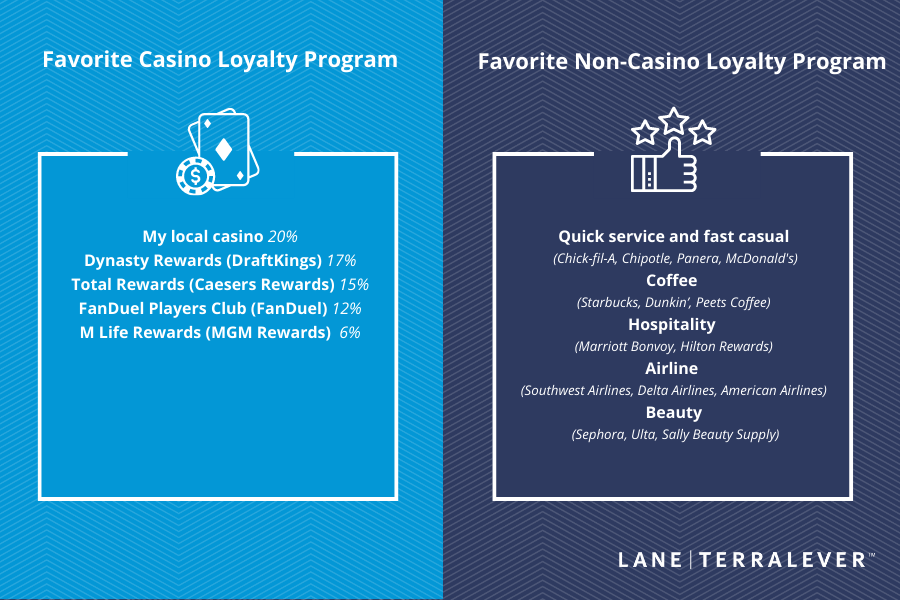
Player loyalty is not solely a product of perception; it is also driven by tangible rewards and consistent engagement strategies. Loyalty programs, VIP tiers, and exclusive offers provide incentives for continued participation. When designed thoughtfully, these programs reinforce the idea that the casino values long-term patronage over short-term profit. Players who feel recognized and rewarded are less likely to explore competing platforms, creating a cycle of engagement that benefits both the user and the operator. Equally important is the balance between challenge and reward in gameplay. Fair opportunities to win, combined with entertaining game mechanics, enhance the overall experience, encouraging players to return regularly.
Communication transparency is another key factor linking reputation and loyalty. Clearly outlining terms, conditions, and payout structures prevents misunderstandings and ensures players feel respected. Any ambiguity or hidden clauses can lead to frustration and distrust. Casinos that prioritize clarity, honesty, and proactive updates about changes in policies or system maintenance further solidify their standing in the eyes of users. Open communication not only prevents conflict but also positions the casino as accountable and customer-focused, fostering loyalty through respect and reliability.
The social aspect of gaming also influences reputation and loyalty. Platforms that encourage community engagement, such as chat features, forums, or social tournaments, create a sense of belonging among players. A vibrant community where users can share experiences, achievements, and tips strengthens emotional attachment to the casino. When players feel part of a larger network, loyalty extends beyond the individual’s relationship with the games to a broader connection with the platform and its community culture. This dual loyalty—to both the casino and the social environment—reinforces retention and promotes organic advocacy, where satisfied players attract new users naturally.
Ultimately, reputation and player loyalty are interdependent. A positive reputation builds trust, which encourages repeated engagement, and repeated engagement reinforces the reputation through demonstrated consistency and reliability. Casinos that neglect either aspect risk short-term gains but long-term instability, as dissatisfied players share negative experiences more widely than satisfied ones share positive ones. On the other hand, operators who invest in fairness, transparency, security, customer service, and community engagement cultivate a virtuous cycle. They attract discerning players, maintain their loyalty through meaningful interaction and reward, and solidify a reputation that drives continued growth.
In an industry characterized by choice and competition, reputation functions as both shield and magnet. It protects the casino from reputational damage while simultaneously attracting players who value integrity, transparency, and a rewarding experience. Loyalty, cultivated through trust, respect, and consistent engagement, ensures that the relationship between the casino and its patrons is enduring. Together, reputation and loyalty form a symbiotic relationship that defines the success and longevity of any casino, underscoring the profound impact that perception, service, and fairness have on the modern gaming experience.
Player retention is not merely a matter of game design or marketing—it is a reflection of how well a casino understands and meets the expectations of its audience. Casinos that prioritize ethical behavior, transparent operations, secure technology, and meaningful rewards create an environment where players feel safe, valued, and engaged. In turn, this nurtures loyalty that is resilient to competition and market fluctuations. The reputation of the casino becomes a promise fulfilled through consistent positive experiences, and loyalty emerges as a natural response to trust, satisfaction, and a sense of community.



Leave a Reply