
Casino credibility is a cornerstone of the gambling industry, shaping both player confidence and the long-term sustainability of gaming operations. At its core, credibility refers to the trustworthiness of a casino, reflecting its commitment to fairness, security, transparency, and ethical business practices. Players naturally gravitate toward platforms that demonstrate integrity, clear communication, and responsible handling of both financial transactions and gameplay. Without credibility, even the most visually appealing or technologically advanced casino can fail to attract or retain a loyal user base.
One of the primary drivers of credibility is regulatory compliance. Licensed casinos operate under the supervision of authoritative bodies, such as the Malta Gaming Authority, the UK Gambling Commission, or the Nevada Gaming Control Board. These regulators enforce stringent standards for fairness, security, and responsible gaming. When a casino maintains valid licenses, it signals to players that its operations have been scrutinized by independent experts, ensuring that games are fair, payouts are reliable, and player protections are in place. Licensing information should be easily accessible on the casino’s website, often accompanied by details of the regulator’s oversight and contact information for verification purposes.
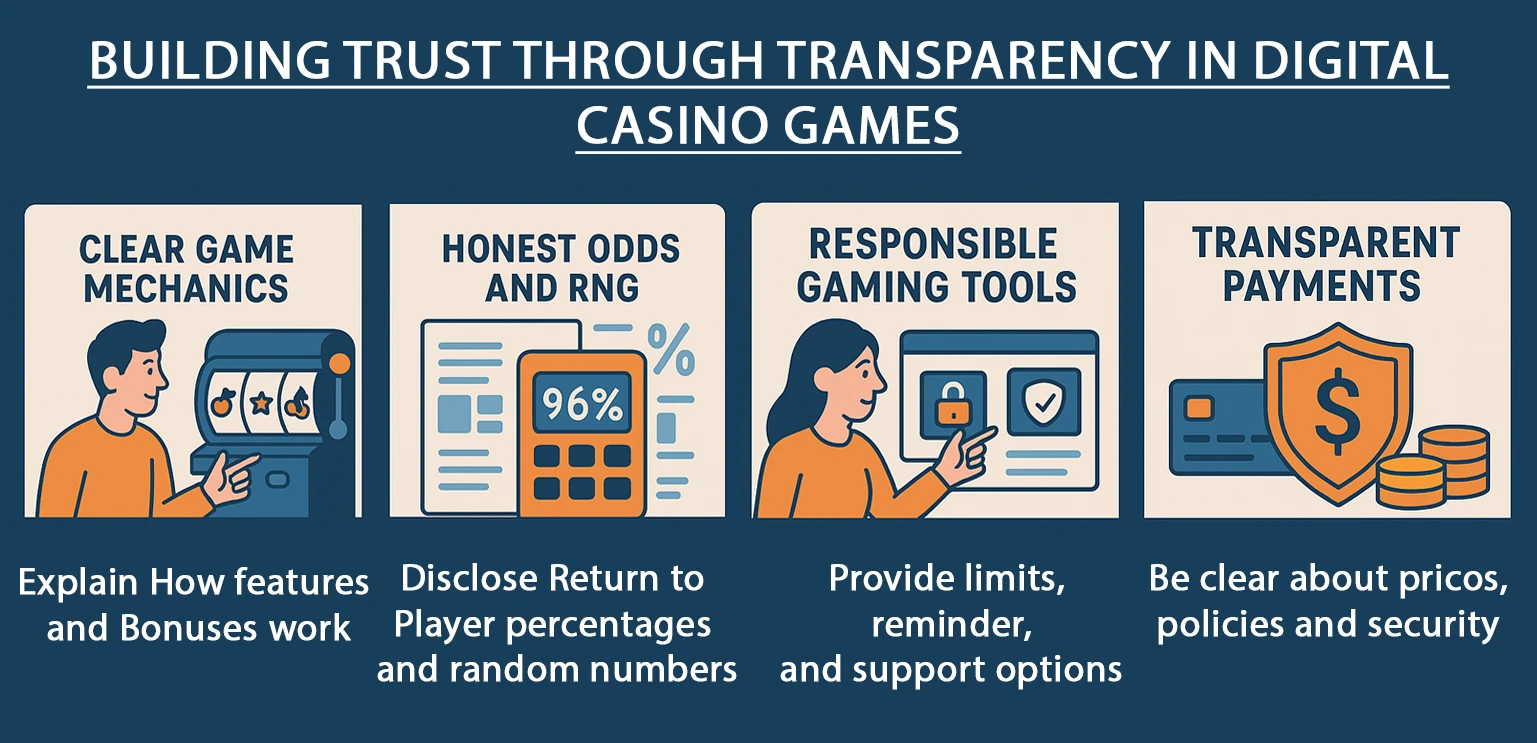
Another crucial factor is game fairness. Credible casinos use certified random number generators (RNGs) and submit their games to independent auditing by organizations such as eCOGRA or iTech Labs. These audits evaluate the integrity of games, verifying that outcomes are genuinely random and that house edges are consistent with published percentages. By providing audit certificates and test reports, casinos offer tangible proof that their games are not manipulated, fostering player trust. Transparency in game mechanics, payout percentages, and odds is also essential. Players are more likely to engage with platforms that clearly communicate the probability of winning, the rules of each game, and any potential risks involved.
Financial integrity further strengthens a casino’s credibility. Players must trust that their deposits will be safe and withdrawals will be processed efficiently and accurately. Secure payment systems, encrypted transactions, and adherence to anti-money laundering regulations are standard practices among reputable operators. Additionally, offering multiple trusted banking methods, including credit cards, e-wallets, and bank transfers, ensures accessibility while providing reassurance that players’ funds are handled professionally. Prompt withdrawal processing times and clear communication regarding transaction policies are key indicators of reliability.
Customer support is another pillar of credibility. Efficient, knowledgeable, and responsive support services demonstrate a casino’s commitment to its players. Whether through live chat, email, or phone, players should have access to assistance for technical issues, account inquiries, or disputes. Effective customer support not only resolves problems quickly but also signals that the casino values its users and is accountable for its operations. Moreover, transparent terms and conditions, along with clear privacy policies, reinforce trust by detailing players’ rights, responsibilities, and the handling of personal data.
Reputation in the wider community also plays a significant role. Player reviews, industry awards, and recognition from gambling associations contribute to a casino’s perceived credibility. Positive feedback and long-standing operational history indicate consistency and reliability, whereas unresolved complaints or negative press can quickly undermine confidence. Engaging with the community, responding to feedback, and demonstrating commitment to responsible gaming practices help build a strong and credible public image.
Responsible gaming measures are an essential aspect of credibility. Casinos that prioritize player well-being by implementing self-exclusion programs, deposit limits, and clear guidance on problem gambling show that they care about more than just profits. Responsible gaming tools reduce the risk of harm and enhance trust, as players are reassured that the casino values their safety and provides resources to prevent or manage gambling-related issues. Transparency about these measures and promoting them openly demonstrates ethical responsibility and reinforces the casino’s integrity.
Technological security cannot be overlooked. Reputable casinos invest in robust cybersecurity systems to protect players’ data and prevent fraudulent activities. This includes SSL encryption, secure login protocols, and regular security audits. Data breaches or mishandled personal information can severely damage a casino’s reputation, making proactive security measures a critical element of credibility. Players need assurance that their identities, financial information, and gameplay data are safe from unauthorized access or misuse.
Consistency in experience also matters. Credible casinos maintain stable platforms with minimal downtime, responsive interfaces, and reliable software. Technical glitches, slow loading times, or frequent crashes can erode trust even if the casino is otherwise reputable. Providing a smooth, uninterrupted gaming experience signals professionalism and care for the player’s experience, reinforcing credibility.
Marketing honesty is equally important. Casinos that avoid exaggerated claims, misleading promotions, or hidden conditions demonstrate ethical conduct. Clear, fair advertising ensures players understand what they are signing up for, including wagering requirements, bonus limitations, and potential risks. Overpromising and underdelivering can quickly damage credibility, while transparent marketing reinforces trust.
Ultimately, casino credibility is built over time through a combination of regulatory adherence, fair gameplay, financial integrity, customer service excellence, technological security, responsible gaming, and transparent communication. It is not merely a set of practices but a holistic approach that permeates every aspect of operations. Players are more likely to engage, invest, and remain loyal to casinos that consistently demonstrate reliability, accountability, and ethical conduct. In a competitive and scrutinized industry, credibility is not optional—it is the foundation upon which sustainable success is built.
A casino that prioritizes credibility gains more than just player trust; it earns a reputation that distinguishes it from competitors, fosters long-term loyalty, and ensures resilience against challenges. By maintaining transparency, fairness, and ethical standards, a casino positions itself as a trustworthy environment where players can enjoy entertainment with confidence, knowing that their experience is protected, respected, and valued.


Leave a Reply