
Gambling, when approached with mindfulness and self-awareness, can be a form of entertainment that provides excitement and challenge. However, without a structured understanding of one’s limits and behaviors, gambling can quickly shift from leisure to stress-inducing activity, leading to mental fatigue and even burnout. The concept of gambling awareness revolves around recognizing personal triggers, setting boundaries, and understanding the psychological and financial aspects that drive gambling behavior. Cultivating this awareness is critical not only for protecting one’s well-being but also for sustaining a long-term, enjoyable engagement with gambling activities.
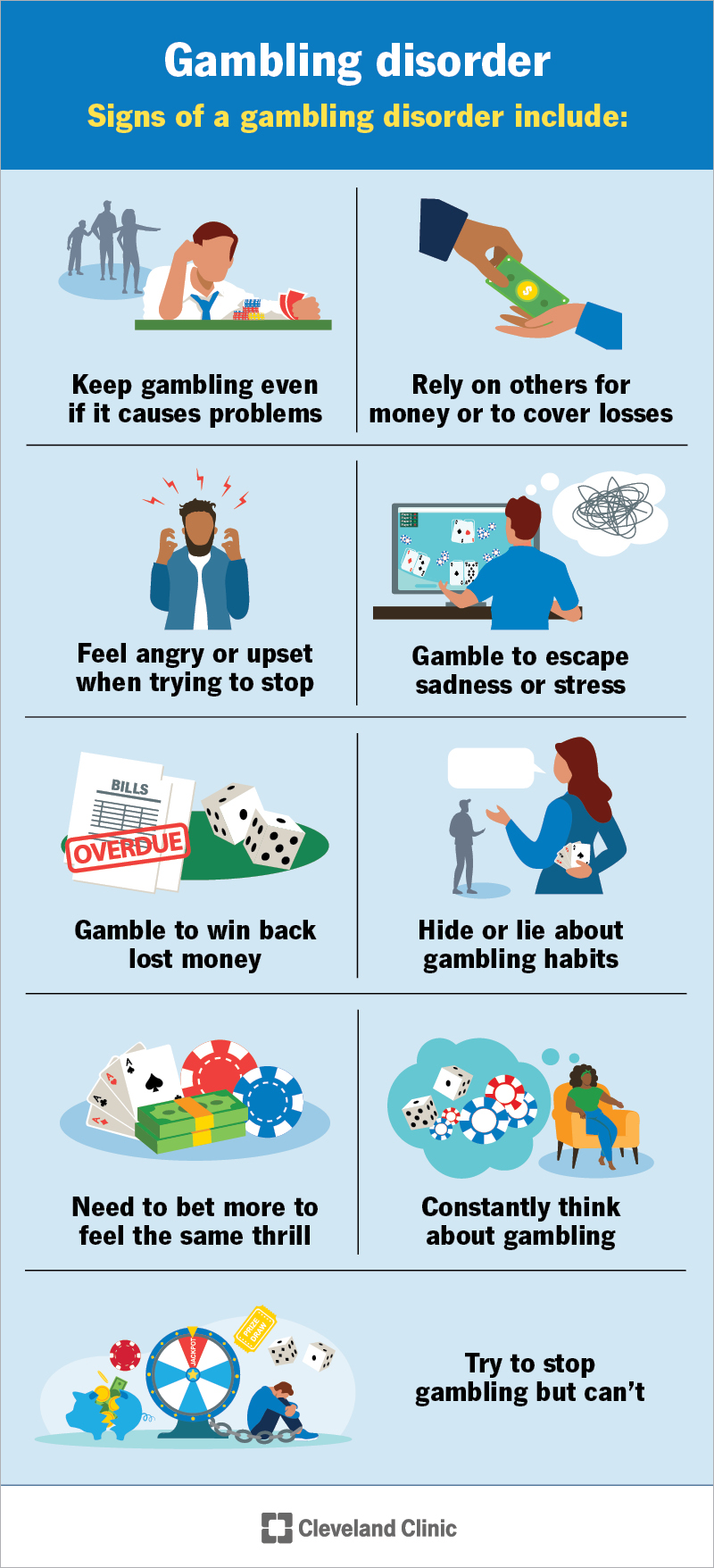
At the heart of gambling awareness is the acknowledgment that gambling should be a controlled activity, not an emotional outlet or a solution to personal stressors. Many players fall into patterns where gambling is used as an escape from daily pressures, which inadvertently increases vulnerability to negative outcomes. Awareness encourages individuals to monitor their motivations for gambling and to differentiate between playing for entertainment versus playing to cope with emotional challenges. This self-reflective approach acts as an early warning system, alerting players when their engagement may be becoming unhealthy.
Setting limits is a tangible strategy that stems from gambling awareness. Limits can be financial, temporal, or psychological. Financial limits involve deciding in advance how much money one is willing to spend on gambling without expecting a return, reducing the risk of significant loss. Temporal limits refer to the time allocated for gambling sessions, preventing excessive engagement that can interfere with sleep, work, and social relationships. Psychological limits involve recognizing emotional responses to wins and losses, maintaining a balanced perspective that prevents frustration, regret, or compulsion. By adhering to these pre-established boundaries, players reduce the likelihood of experiencing the stress and exhaustion associated with uncontrolled gambling.
Understanding the odds and probabilities inherent in gambling is another aspect of awareness that protects against burnout. Many players underestimate the role of chance in outcomes, leading to unrealistic expectations and repeated disappointment. By cultivating knowledge of game mechanics, payout structures, and statistical probabilities, gamblers can maintain realistic expectations and avoid emotional swings tied to outcomes. This informed approach transforms gambling from an unpredictable emotional rollercoaster into a measured experience of skill, strategy, and chance, where setbacks are accepted as part of the natural process rather than personal failures.
Mindfulness techniques also play a critical role in sustaining gambling awareness. Mindfulness encourages players to stay present in the moment, observe their thoughts and feelings without judgment, and make conscious decisions about their engagement. For example, noticing early signs of frustration or restlessness can prompt a pause or a session break, preventing the accumulation of stress that leads to burnout. Mindfulness also fosters a greater appreciation for the entertainment value of gambling itself, helping individuals separate the enjoyment of play from the outcome-driven focus that often exacerbates stress.
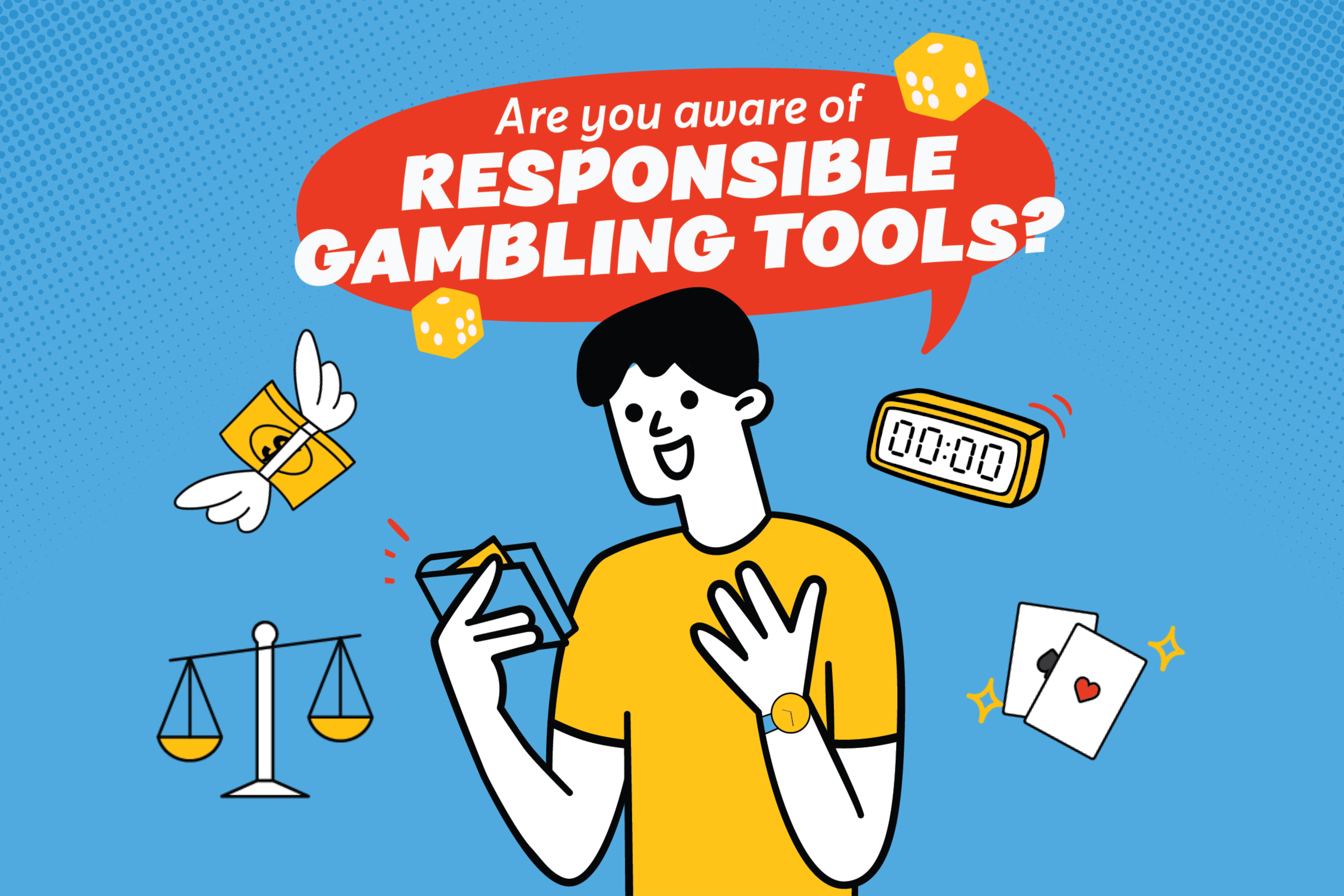
Social support is another cornerstone of maintaining awareness and preventing burnout. Engaging in open discussions with friends, family, or support groups about gambling habits can provide perspective and accountability. External input helps identify patterns that may be overlooked by the individual and reinforces healthy practices. Many communities and online platforms offer tools for self-monitoring, including session trackers, spending logs, and alerts for prolonged play. Utilizing these resources empowers players to make proactive choices and to recognize when intervention or a break is necessary.
Recognizing emotional triggers is critical in gambling awareness. Emotions such as excitement, anxiety, boredom, or loneliness can significantly influence decisions and risk-taking behaviors. Awareness allows players to identify when these emotions are influencing their gambling and to implement strategies to mitigate their effects. Techniques might include engaging in alternative activities to manage boredom, practicing relaxation methods to counteract stress, or postponing gambling when emotional decision-making is heightened. By managing these triggers proactively, players maintain a balanced approach, reducing the mental and emotional drain associated with reactive or compulsive gambling.
Developing a routine that incorporates rest, exercise, and balanced social engagement supports the prevention of burnout as well. A lifestyle that includes diverse sources of fulfillment diminishes the pressure on gambling to serve as the primary form of stimulation or reward. By ensuring that gambling is part of a broader, balanced life, players reduce the risk of emotional dependency and maintain the activity as a positive, controlled outlet rather than a source of stress.
Education also enhances gambling awareness. Learning about common cognitive biases, such as the illusion of control or the gambler’s fallacy, equips individuals to recognize distorted thinking patterns that lead to excessive play. Understanding how the brain responds to reward and risk can promote informed choices, helping gamblers avoid impulsive decisions that contribute to mental fatigue. Awareness of regulatory and safety measures offered by gambling platforms, including self-exclusion programs or limit-setting tools, also reinforces responsible participation.
Finally, periodic reflection on one’s gambling habits is a vital practice for sustaining awareness. Regularly assessing spending, time invested, emotional responses, and overall enjoyment allows players to make necessary adjustments before patterns escalate into burnout. Reflection encourages accountability, reinforces boundaries, and maintains the focus on enjoyment rather than compulsion. By integrating reflection into the gambling experience, individuals stay attuned to their behaviors, ensuring that gambling remains a safe and enjoyable pursuit.
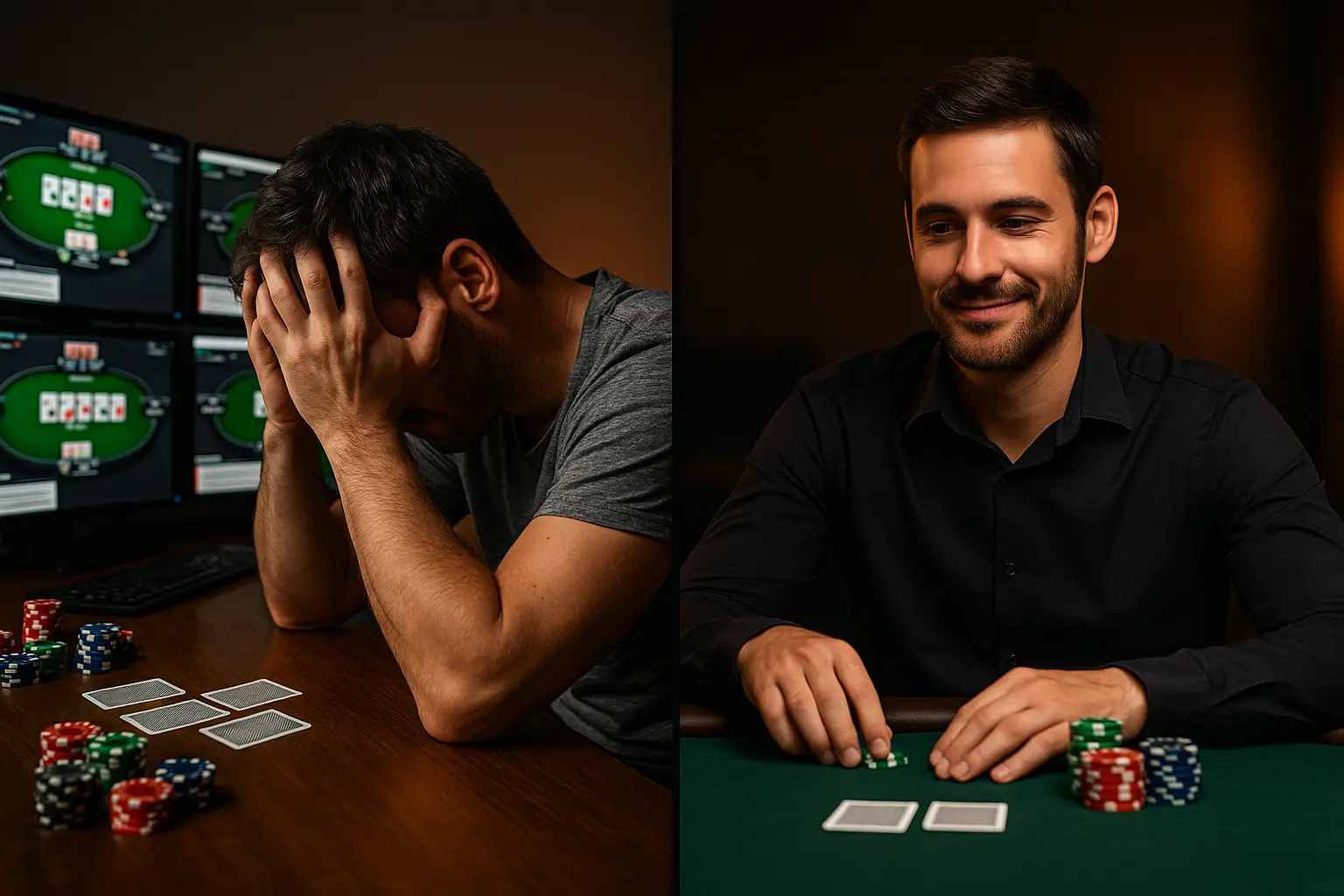
In summary, gambling awareness functions as both a preventive and corrective mechanism against burnout. It encompasses self-reflection, limit-setting, mindfulness, emotional regulation, social support, education, and lifestyle balance. By cultivating these aspects, players can engage with gambling in a way that maximizes entertainment and minimizes stress. Awareness transforms gambling from a potentially draining activity into a controlled, enjoyable experience, safeguarding mental health and fostering sustainable, long-term participation. Those who actively practice awareness not only protect themselves from burnout but also enhance their overall experience, ensuring that gambling remains a source of fun, challenge, and excitement without compromising well-being.
This structured approach empowers individuals to recognize risk, exercise control, and maintain emotional equilibrium, ultimately preventing the fatigue and disillusionment that arise from unmanaged gambling. Awareness is not merely a preventative tool but a continual practice that nurtures responsible engagement, reinforcing the idea that gambling, when approached thoughtfully, can be a safe and enjoyable form of entertainment.
By embedding these principles into daily practice, players cultivate resilience against the pressures and temptations of gambling, maintaining control over their actions, emotions, and financial commitments. This awareness, sustained over time, effectively shields against the mental exhaustion and stress that define burnout, ensuring that gambling continues to be a source of leisure rather than a source of strain.





Leave a Reply